Here’s a trend most people haven’t noticed yet.
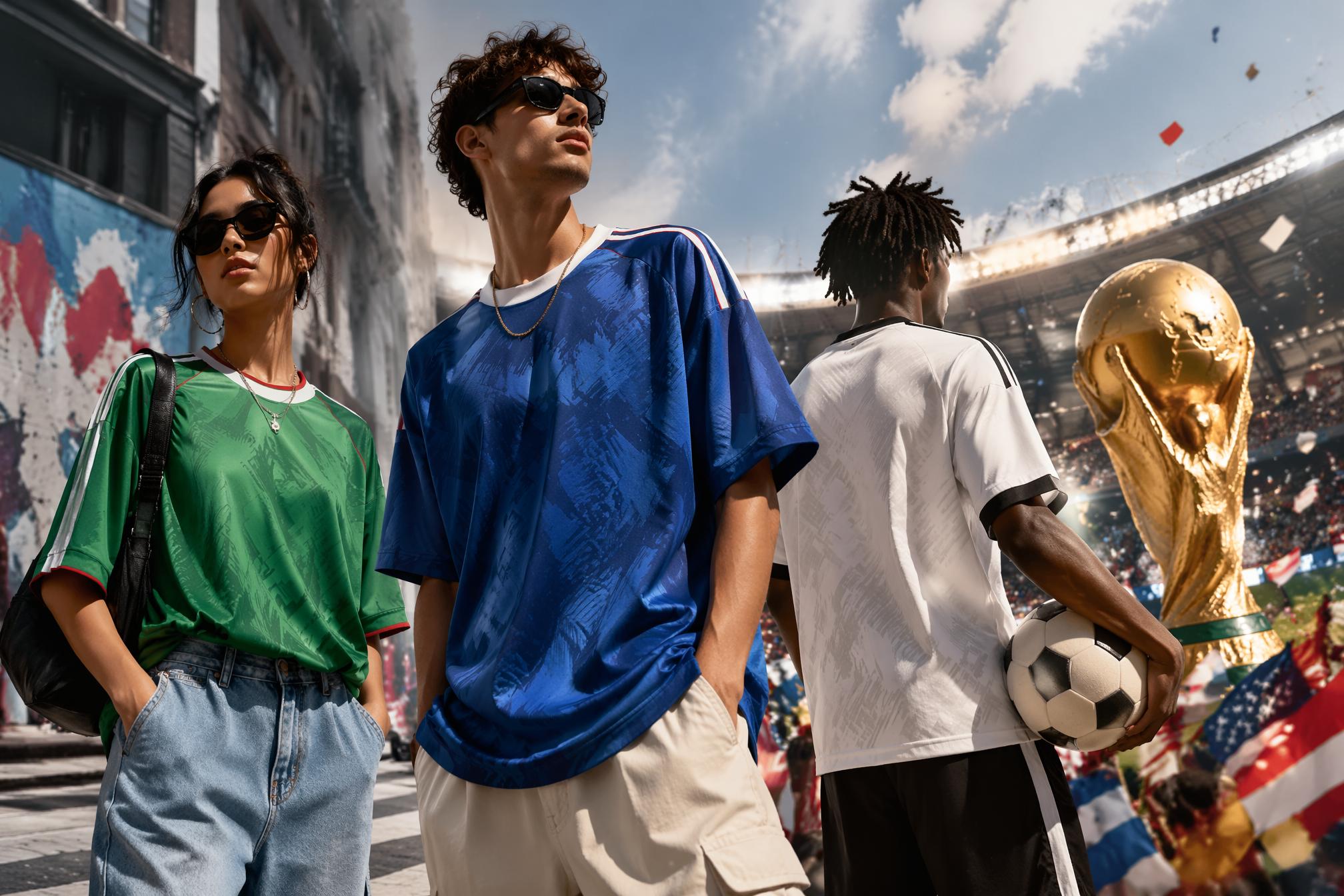
Jerseys aren’t just for the pitch anymore. Scroll through TikTok, browse Amazon, or look at any street style feed — oversized jerseys with jeans, vintage kits with shorts, this look has become everyday wear for a generation.
And in 2026, this category is about to explode.
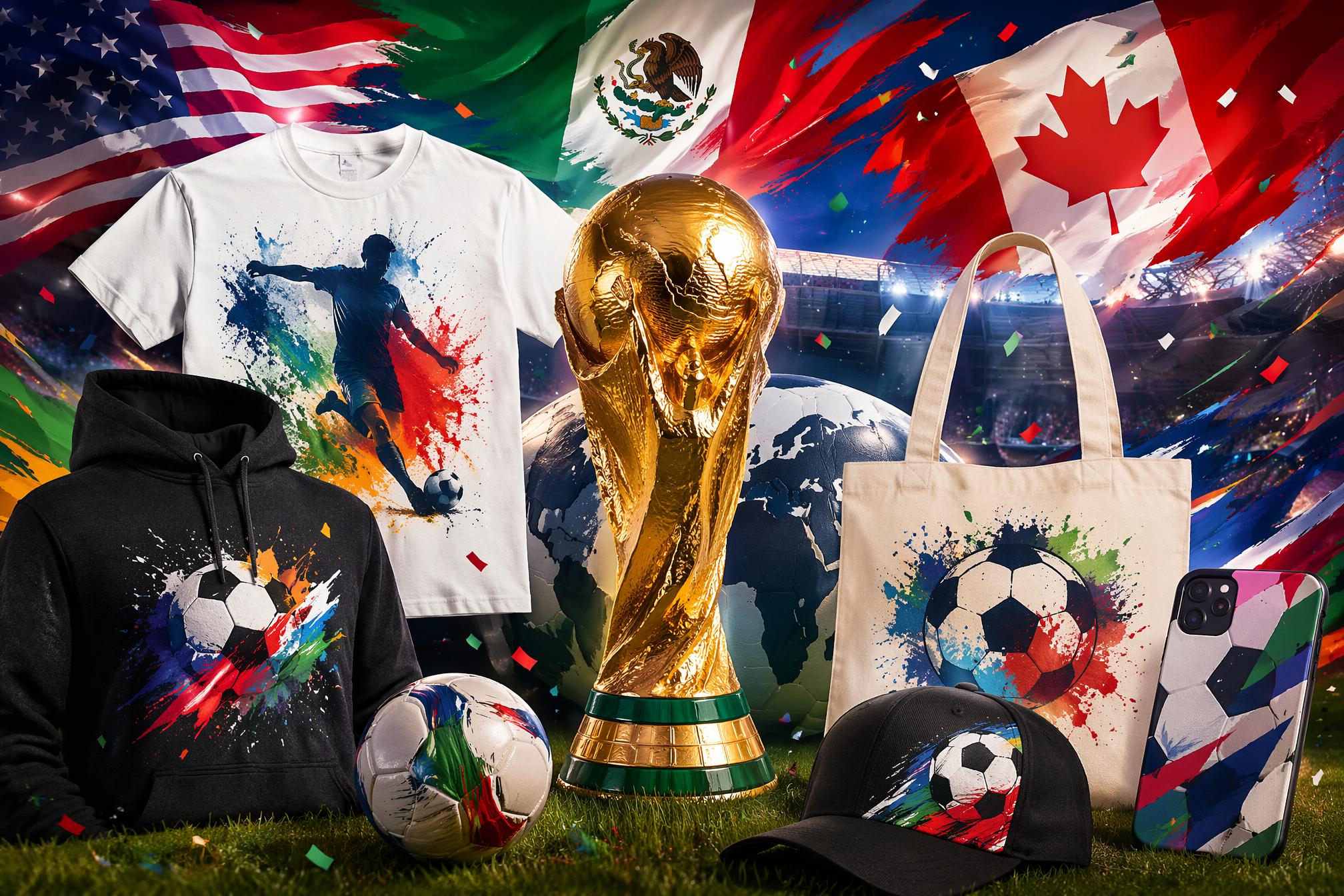
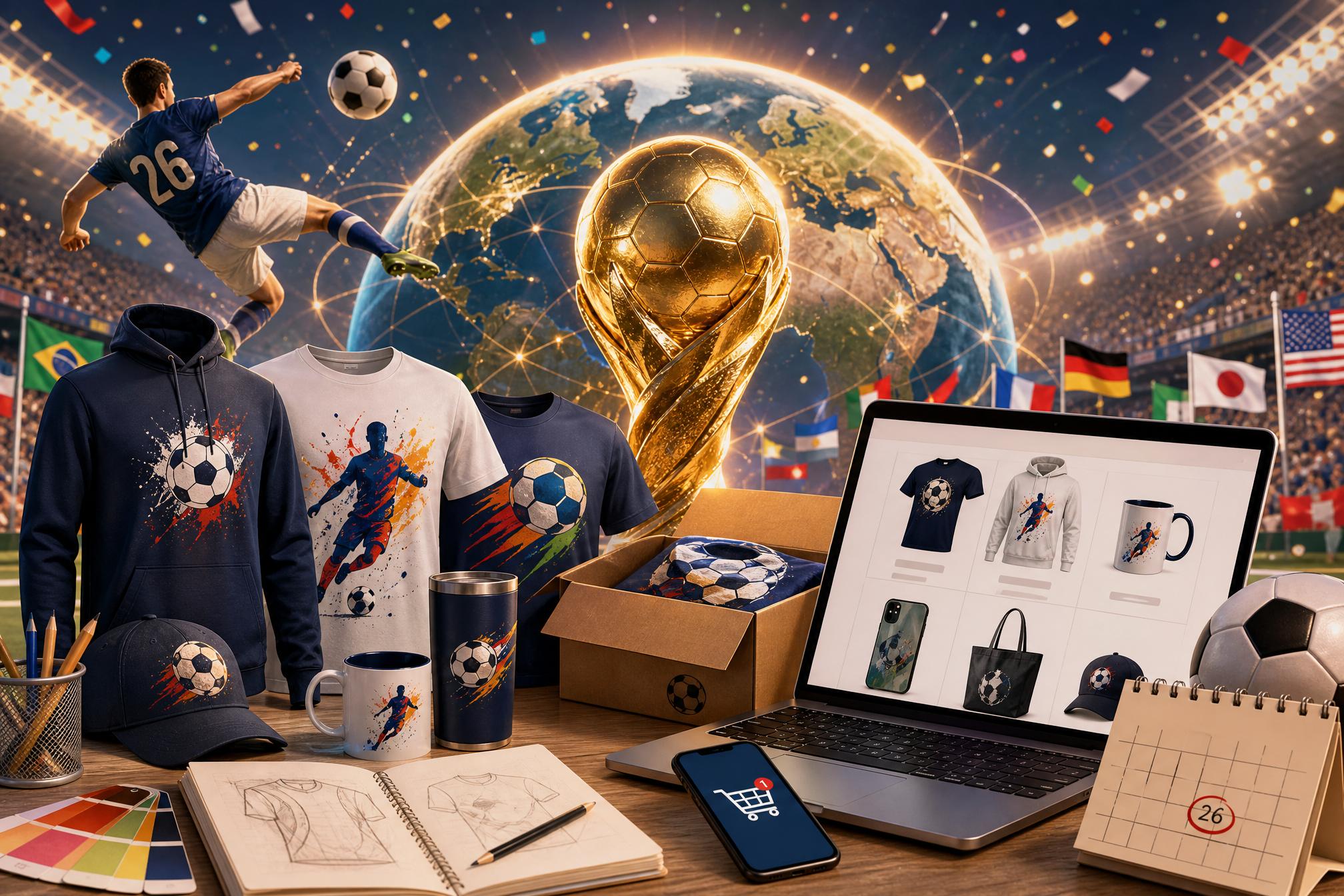
Why? The 2026 FIFA World Cup is being hosted in the United States. Billions of people around the world will have their eyes on this tournament, and demand for jerseys, fan apparel, and supporter merchandise will peak in the weeks leading up to the event. Now is the perfect time to start designing.
Why Jerseys Are One of the Best POD Products Right Now
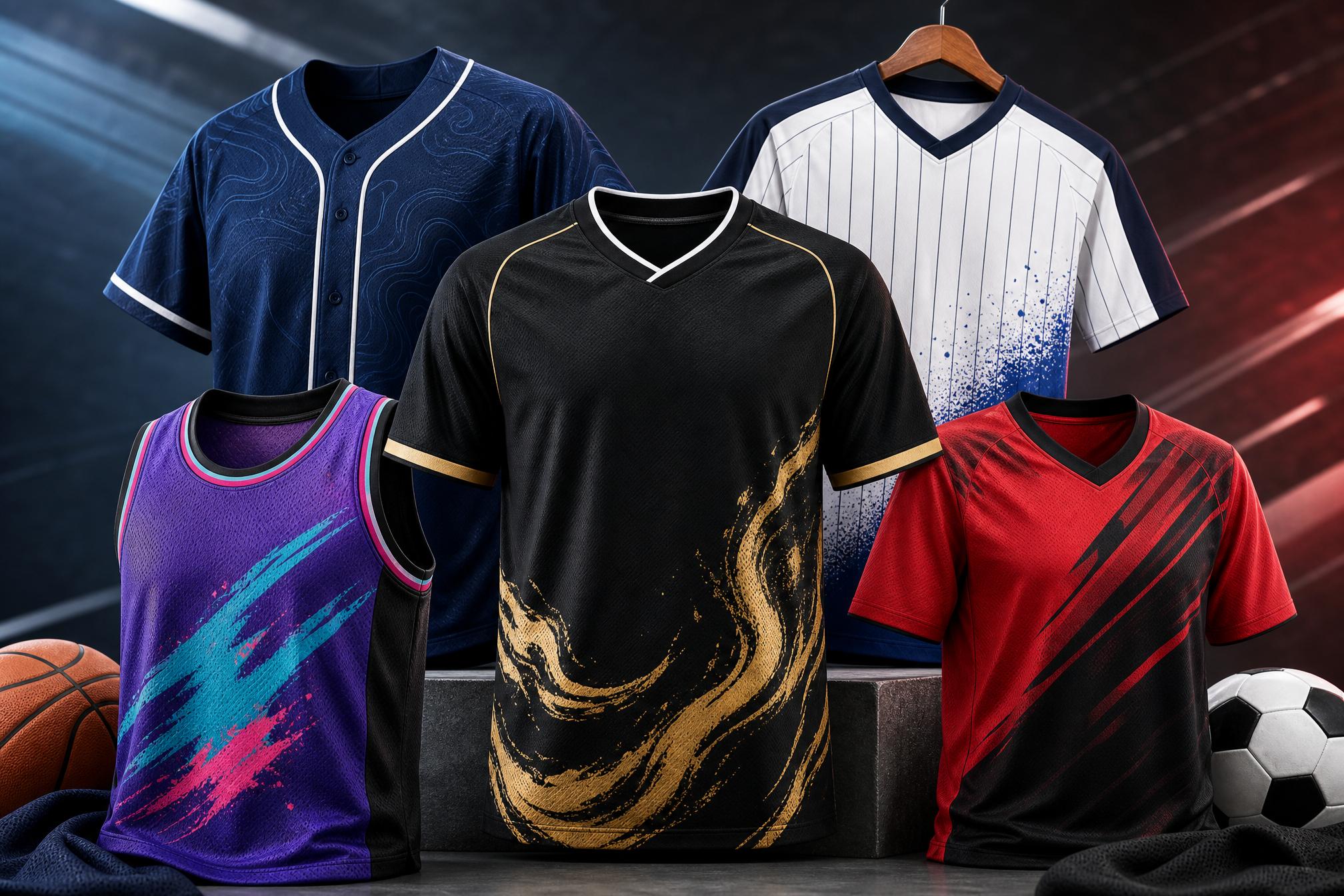
Let’s be direct. Jerseys might be one of the most profitable, highest-margin categories in the POD space.
First, the customization potential is massive. You can add names and numbers, create team-specific designs, build country-themed collections, or go with funny quotes. The possibilities are endless.
Second, the printing quality is exceptional. Jerseys are ideal for sublimation and all-over printing — gradient sleeves, large-scale graphics, sporty stripes, full-print designs. The results look stunning, and they grab attention instantly in any social media feed.
Third, the audience is huge — but you can also go narrow. You can sell to everyone, or you can target a specific group: soccer moms, youth team parents, fans of a particular country. The more specific your niche, the easier it is to make sales. That’s the core logic of POD.
What Makes a Jersey Design Actually Sell?
After analyzing thousands of top-selling jerseys on Etsy and TikTok Shop, a few clear patterns emerge.
- First, personalization is the #1 driver.
Names and numbers seem simple, but they make customers feel like the product was made just for them. That feeling directly boosts conversion rates and average order value. Always leave space for names and numbers — front or back. This is why designs like “Soccer Mom,” “Soccer Dad,” and local team merch are consistent bestsellers on Etsy.
- Second, go big or go home.
Most POD products are seen online, and shoppers scroll past in a second or two. If your text is too small or too complex, nobody will stop to look. Large, bold typography with clean layouts creates impact even in thumbnail size. Remember: you’re not selling a design. You’re selling one second of attention in a crowded feed.
- Third, stop trying to sell to everyone.
This is the most common mistake new sellers make. You don’t need a design that everyone likes. You need a design that makes one specific group say, “This was made for me.” Soccer moms, team parents, retired dads, streetwear fans — each group can support an entire collection, and competition is far less intense than you think.
- Fourth, follow trends — but stay flexible.
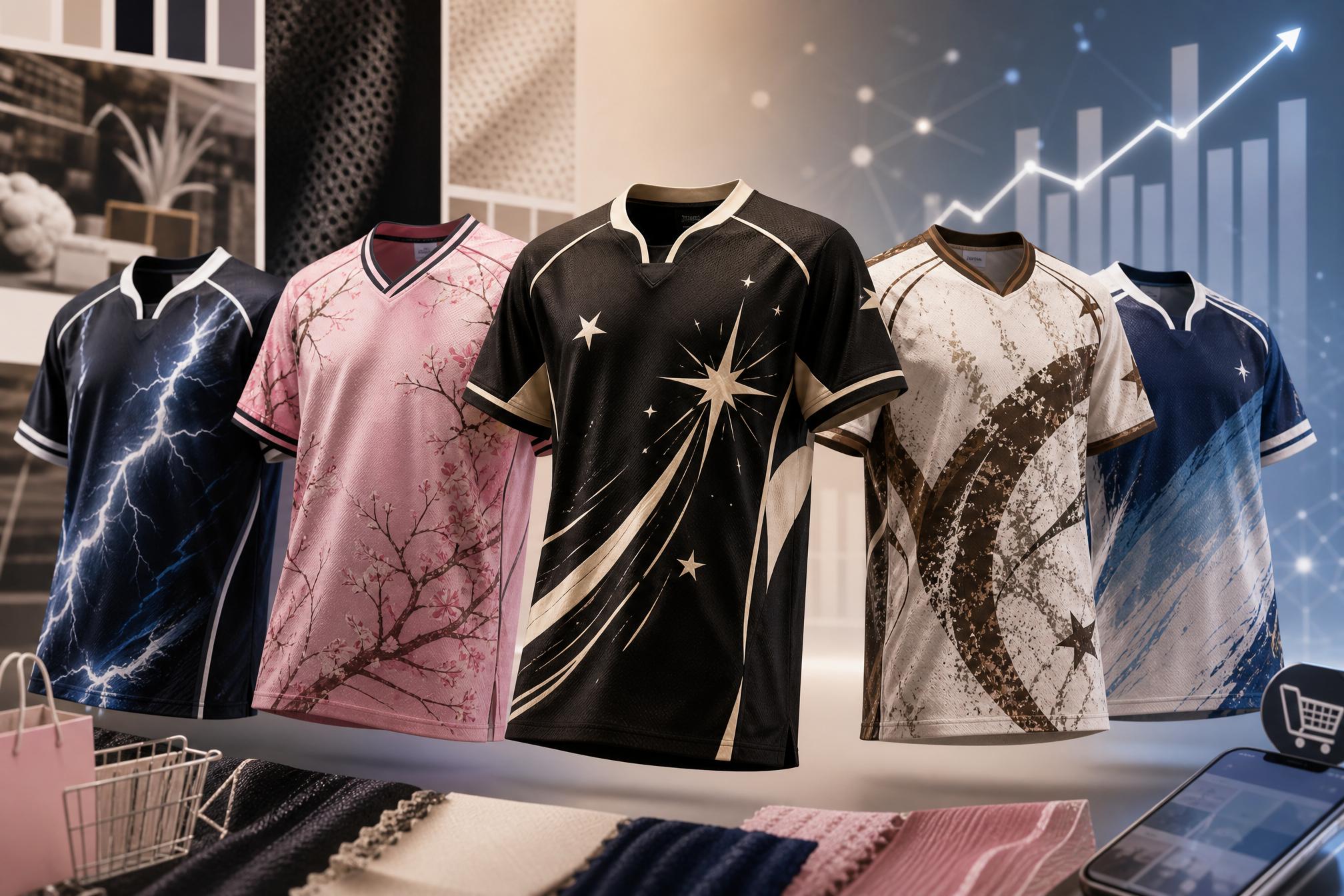
Right now, the hottest styles include retro sportswear aesthetics, Y2K-inspired graphics, vintage textures, oversized typography, and bold color blocking. But your design system matters more than any single design. Being able to quickly swap colors, names, and numbers means you can turn one template into dozens of SKUs. That’s POD efficiency.
- Fifth, design with the printing process in mind.
Prioritize layouts that work well with sublimation and all-over printing. Clean graphics, vibrant colors, and balanced compositions will look professional on the final product.
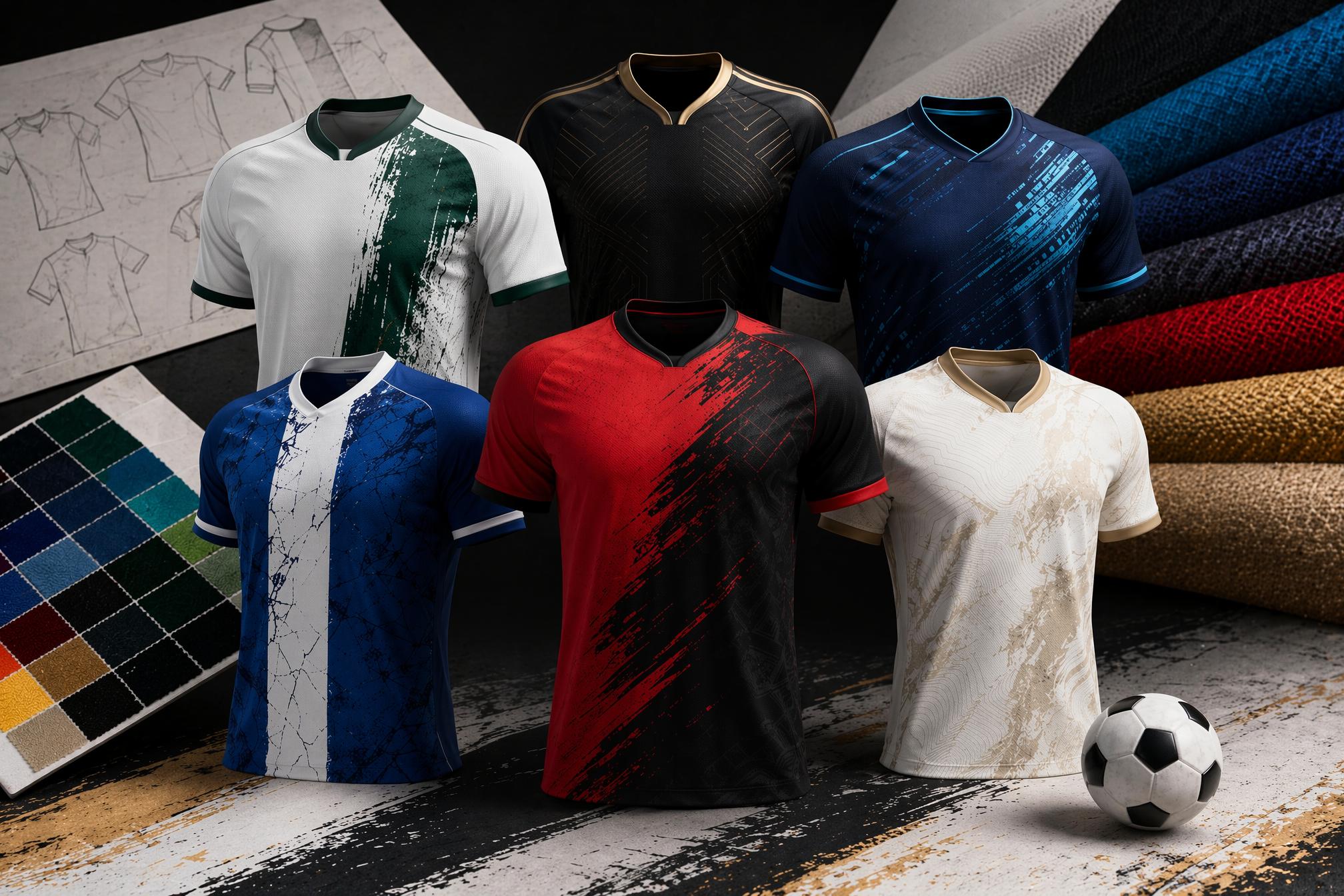
13 Proven Soccer Jersey Design Ideas That Actually Sell
Each of these 13 directions has real market demand behind it. Pick one that fits your target audience and start listing.
01 — Personalized Name + Number Jerseys
This is the undisputed king of soccer jersey sales. A large name and number on the back, with a small logo on the front — instant professional look. You can design around national team colors, school team palettes, or any combination. Perfect for local clubs, school teams, family matching sets, and friend groups attending summer tournaments.
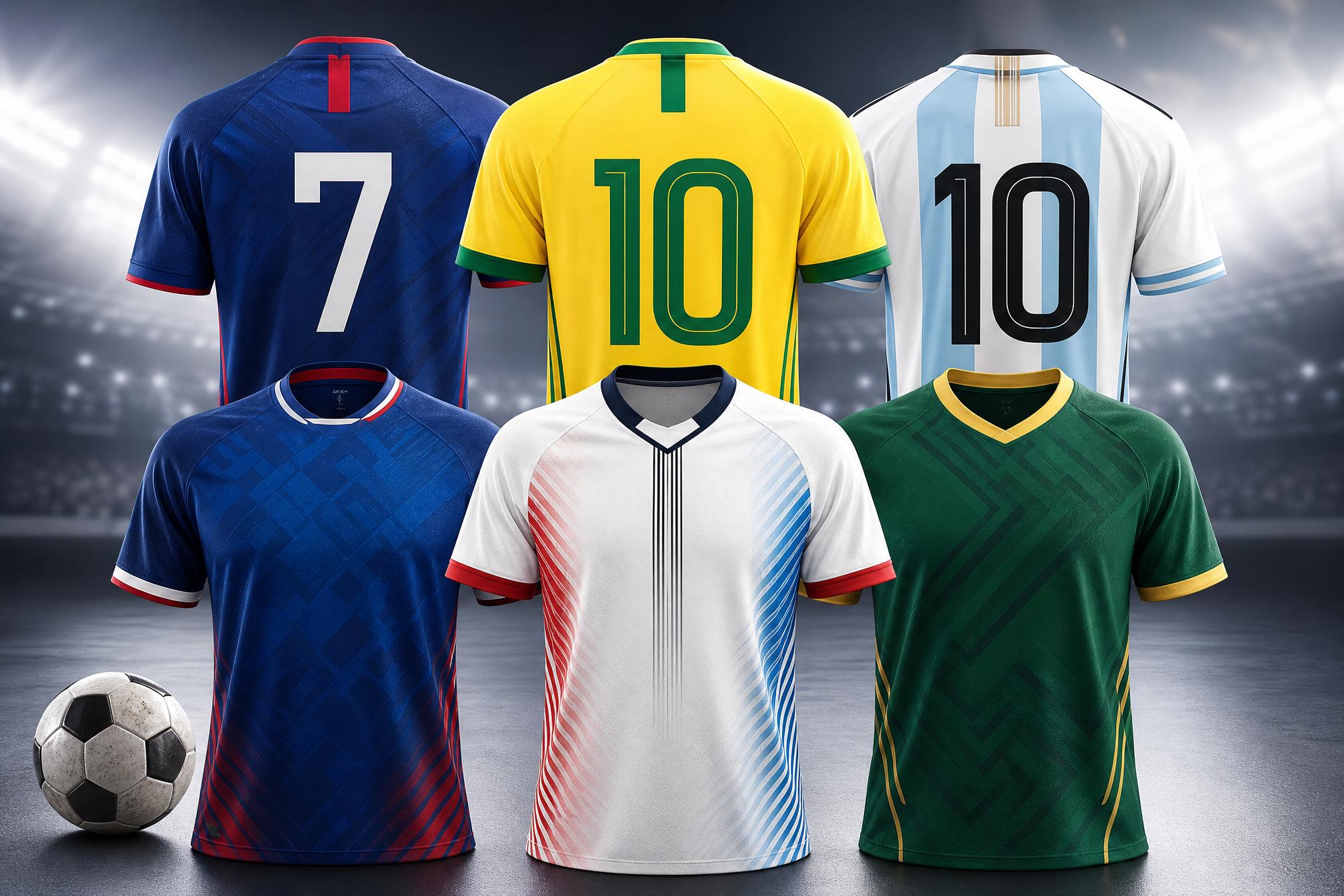
02 — Family Matching Sets
Soccer mom, soccer dad, soccer sister, soccer grandma — the whole family wearing matching gear to the game. The visual is irresistible. And these orders have high average order value because customers typically buy multiple pieces at once. Add different names and numbers to each piece for that personal touch.

03 — 2026 World Cup Theme Collection
This one needs no explanation. Start now. National flag colors, trophy motifs, retro football aesthetics — all great angles. Create limited editions to build urgency, or segment by country to target specific fan bases. This wave of traffic alone could match six months of regular sales if you catch it right.
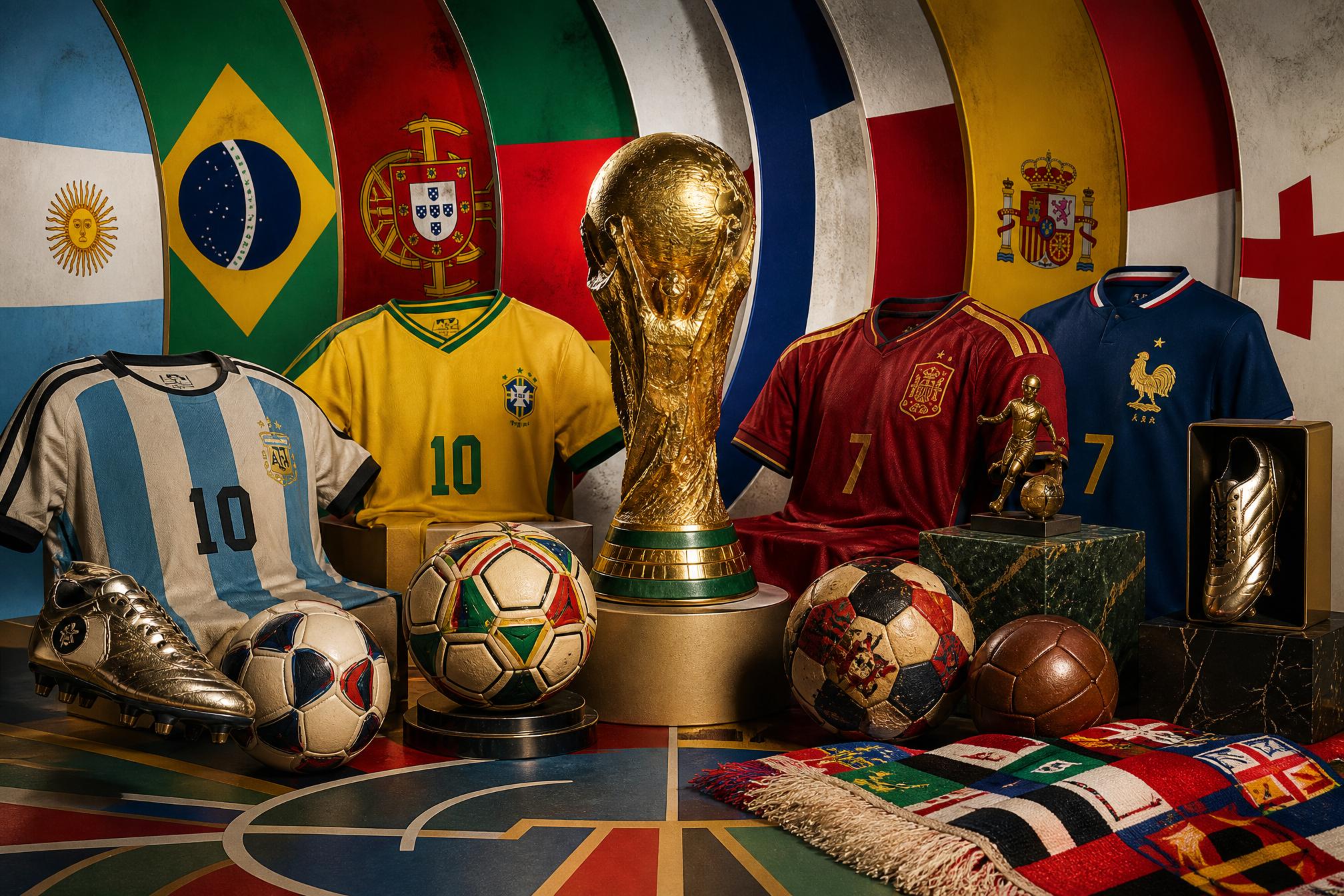
04 — Minimalist Text-Only Designs
Not every design needs complex graphics. Sometimes one line is enough: “Game Day.” “Eat Sleep Soccer Repeat.” “Weekend Tournament Mom.” Simple, readable, easy to design — perfect for new sellers looking to scale fast. Low design cost, fast listing speed, and easy to expand into multiple variations.
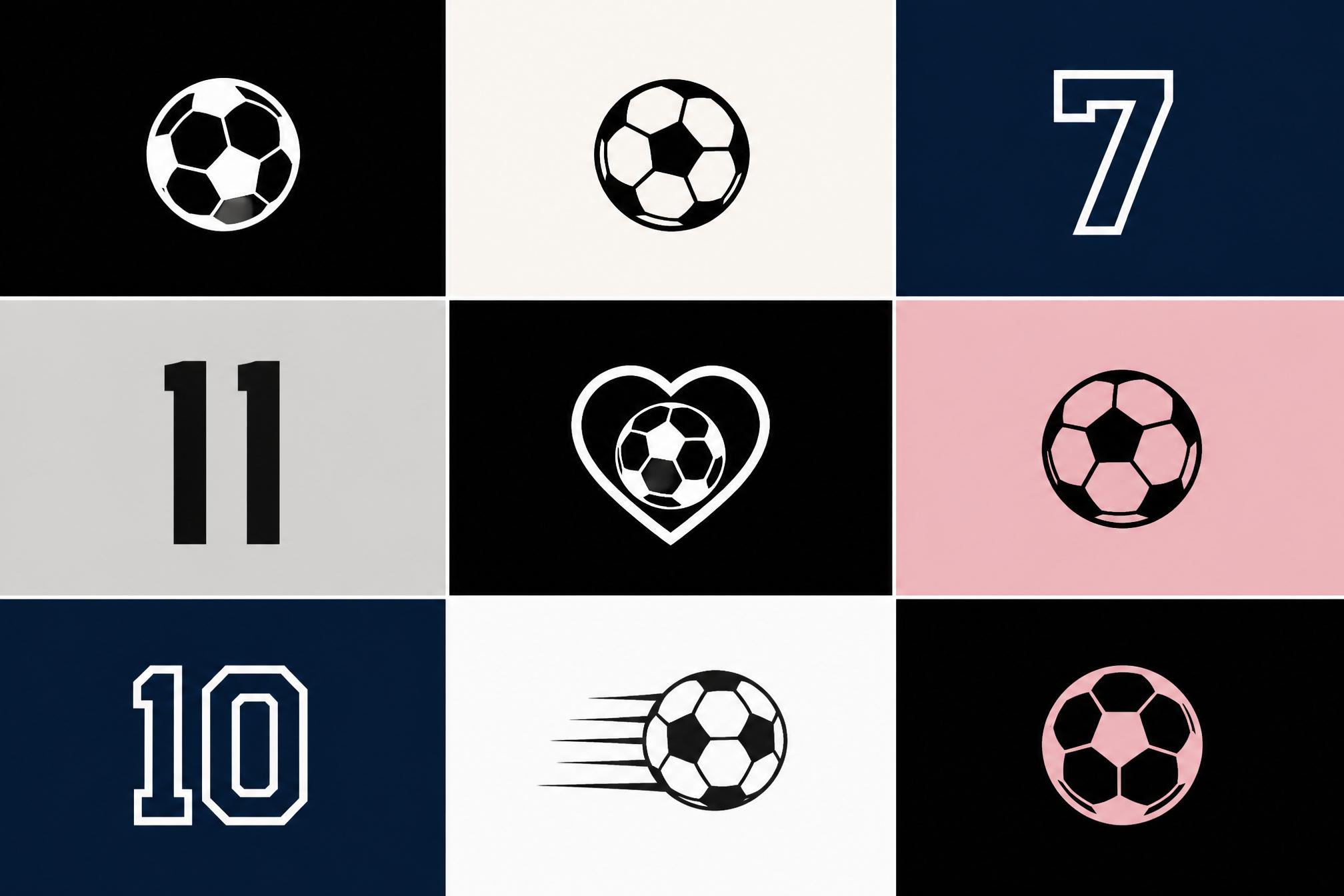
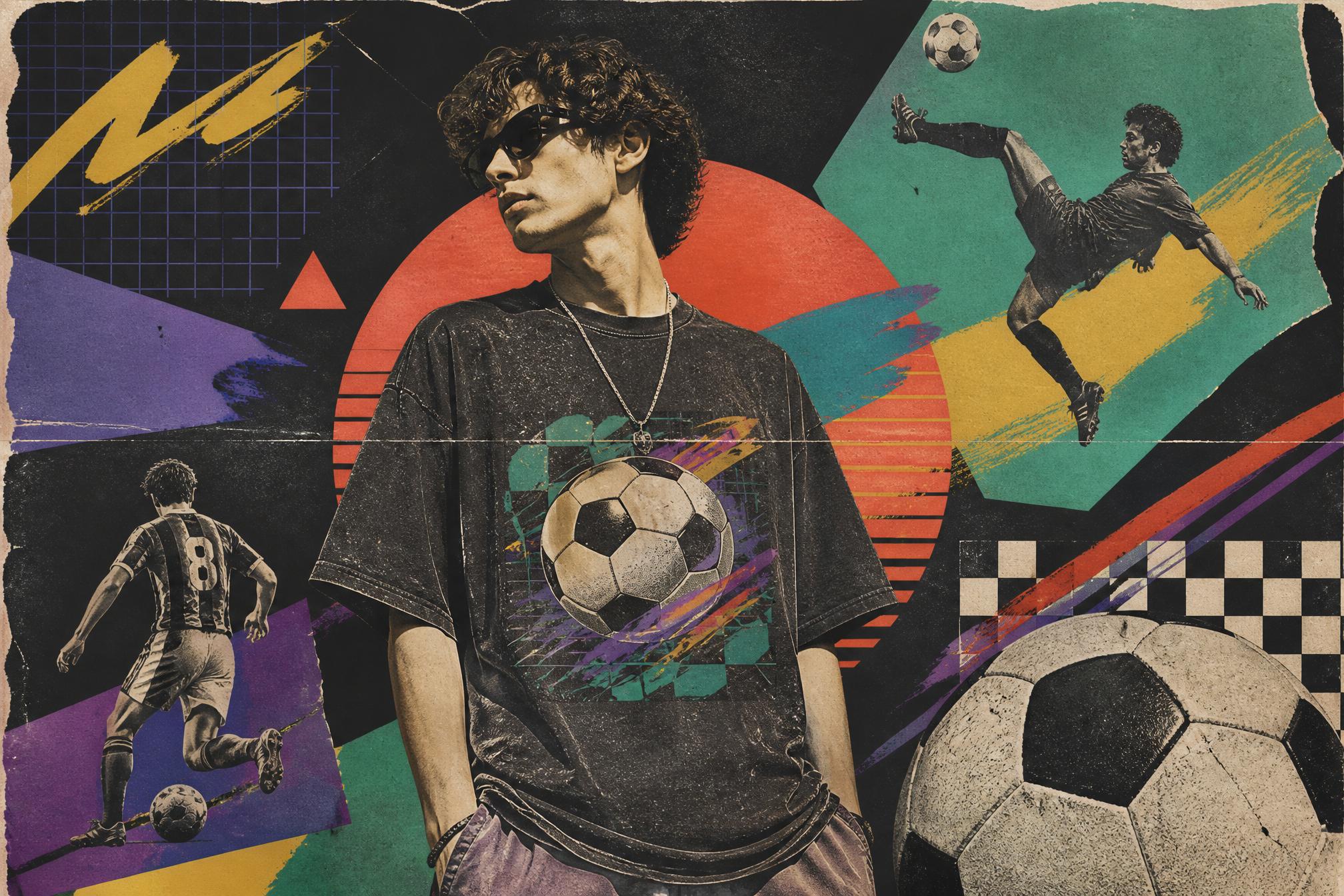
05 — Retro Football Graphic Tees
This one targets young people who love vintage streetwear. Distressed textures, faded effects, 90s color palettes — it looks more like a lifestyle piece than sportswear. Combine football graphics with retro fonts, or incorporate 80s/90s design elements. Competition in this space is still relatively low — worth entering now.
06 — Funny Quote Series
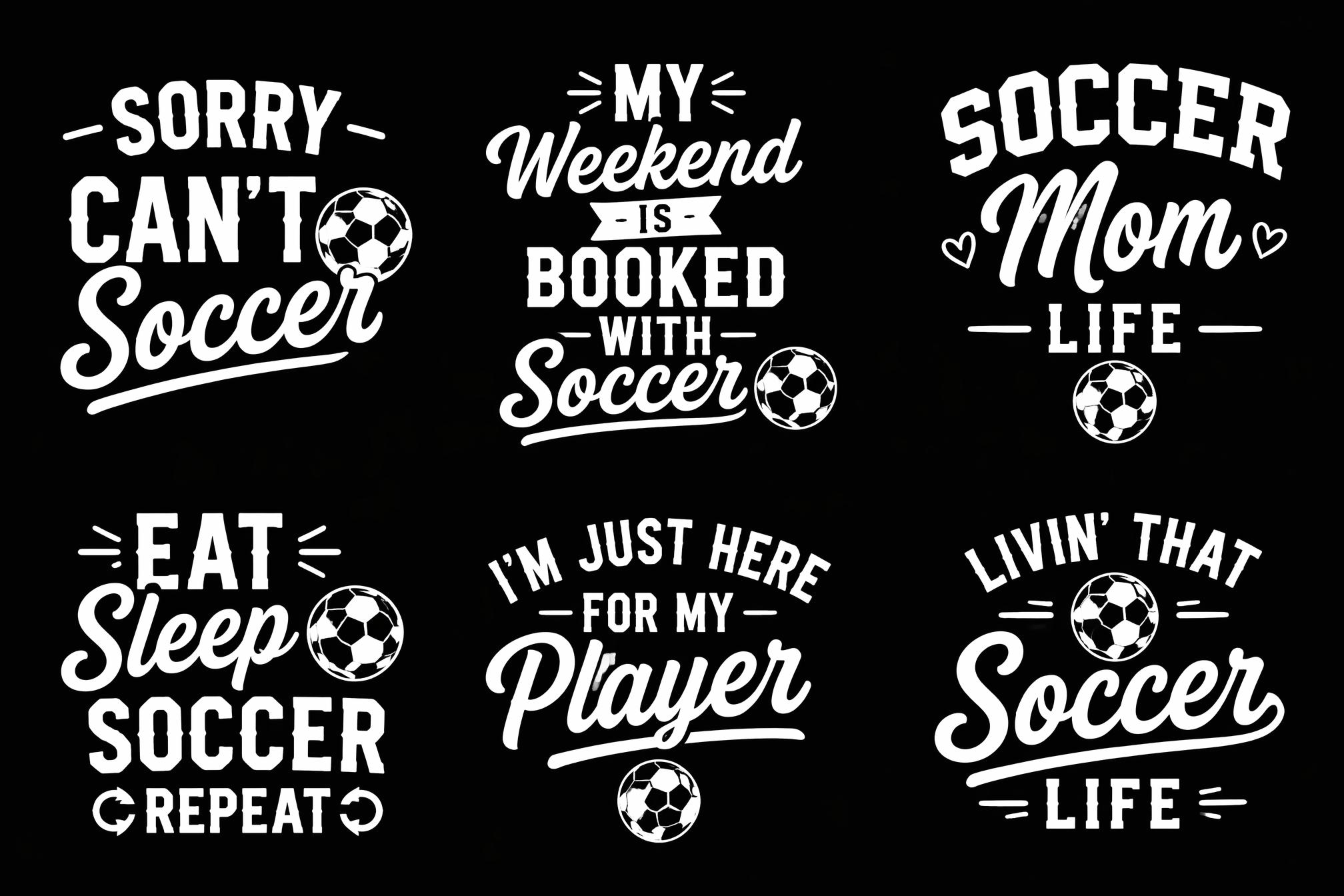
Humorous content always performs well in POD because it’s inherently shareable. Think: “Sorry Can’t Soccer,” “My Weekend Is Booked With Soccer,” “Soccer Mom Life.” These designs don’t need complex artwork — a single line with a small football icon is enough. They perform particularly well on TikTok because users want to share them.
07 — Feminine Soccer Style
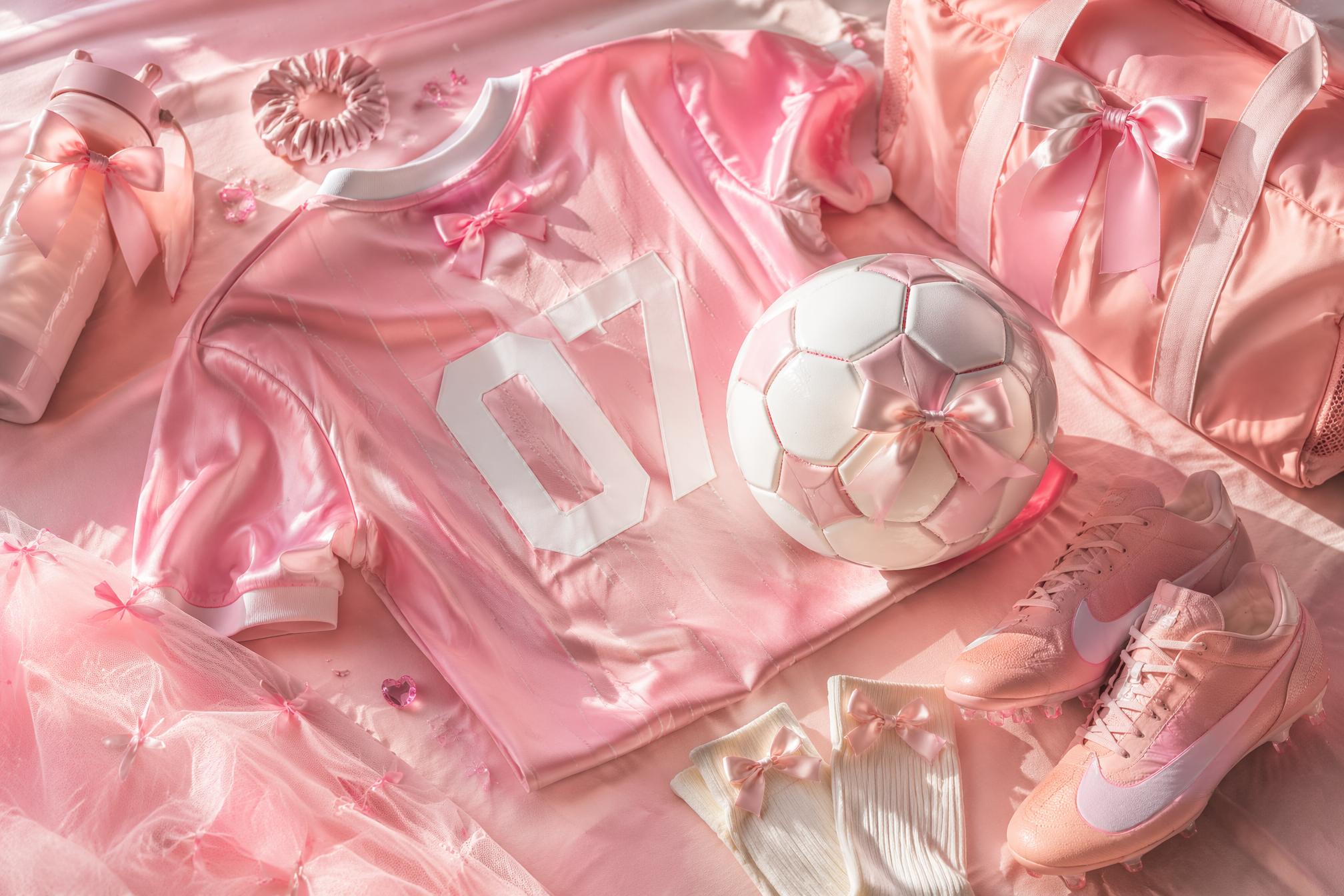
This direction is blowing up on TikTok and Pinterest. Pink color schemes, handwritten fonts, bow accents, soft graphics — making soccer gear look beautiful for girls who play. Target audience: teenage girls and young moms who buy based on aesthetics first. If you get this right, both average order value and repeat purchase rates will be strong.
08 — Player Silhouettes
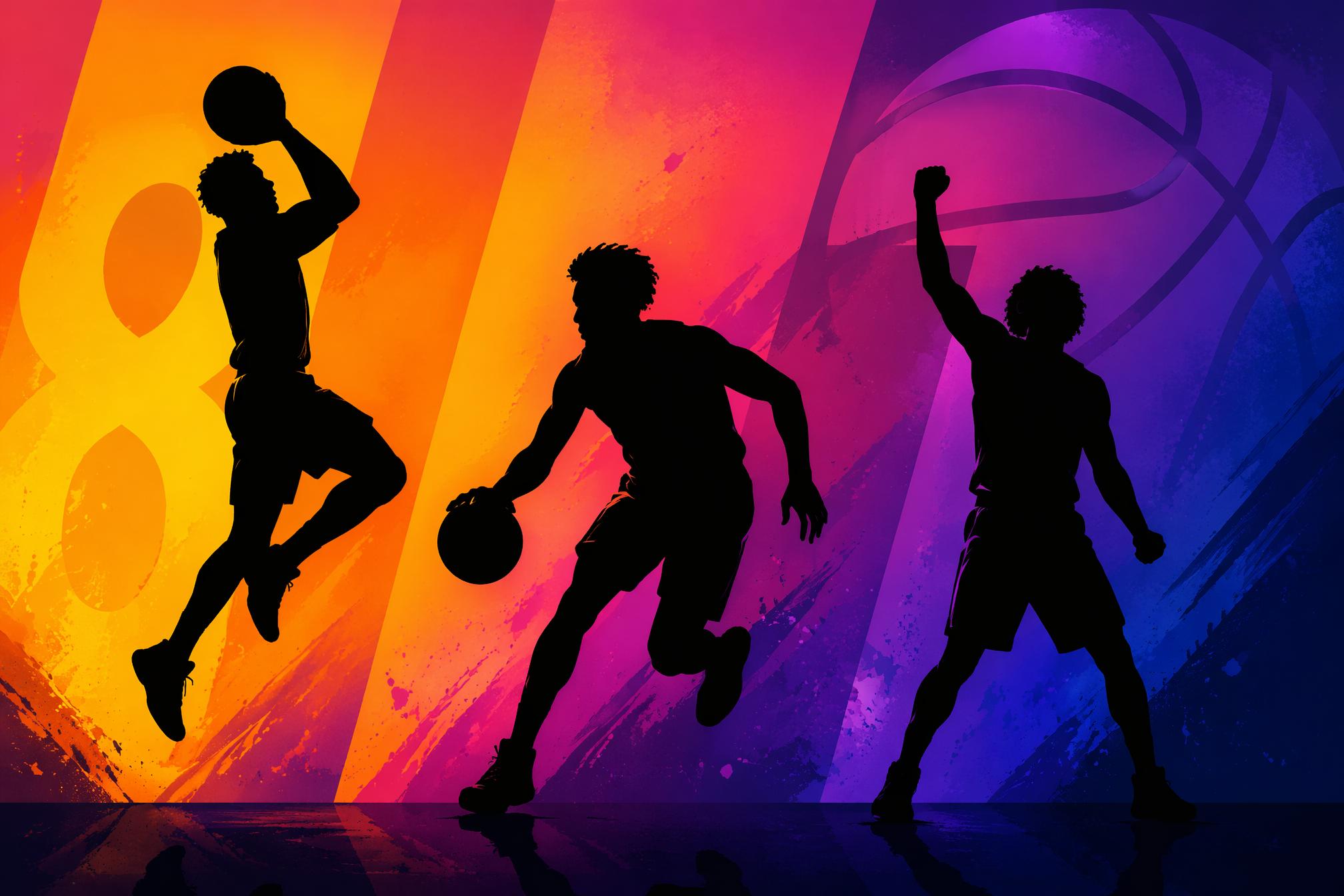
Shooting, dribbling, celebrating — player silhouettes are the safest graphic choice. Everyone recognizes them, everyone likes them. Combine silhouettes with bold typography and gradient backgrounds for maximum impact. This style also works exceptionally well with all-over printing.
09 — Tournament & Match Day Series
“Tournament Weekend,” “Game Day,” “Soccer Squad” — these designs carry built-in urgency. In the days leading up to a match, everyone is looking for fan gear. Launch at the right time and conversion rates spike. Time these around tournament schedules, create limited editions, and build scarcity. The sales window is clear — the 2-3 weeks before a major tournament. Hit the timing right and you’ll see fast orders.
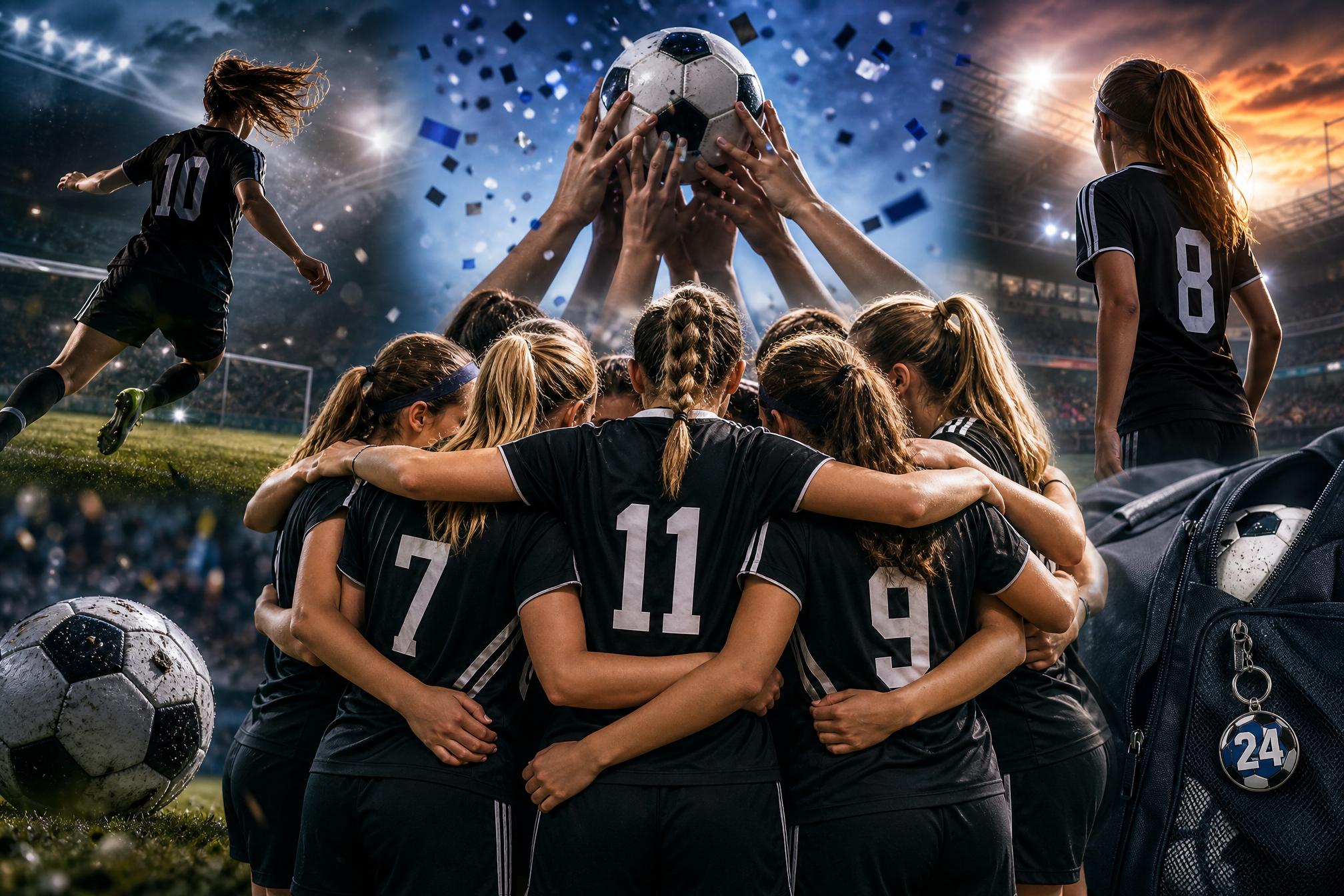
10 — Blokecore Streetwear Aesthetic
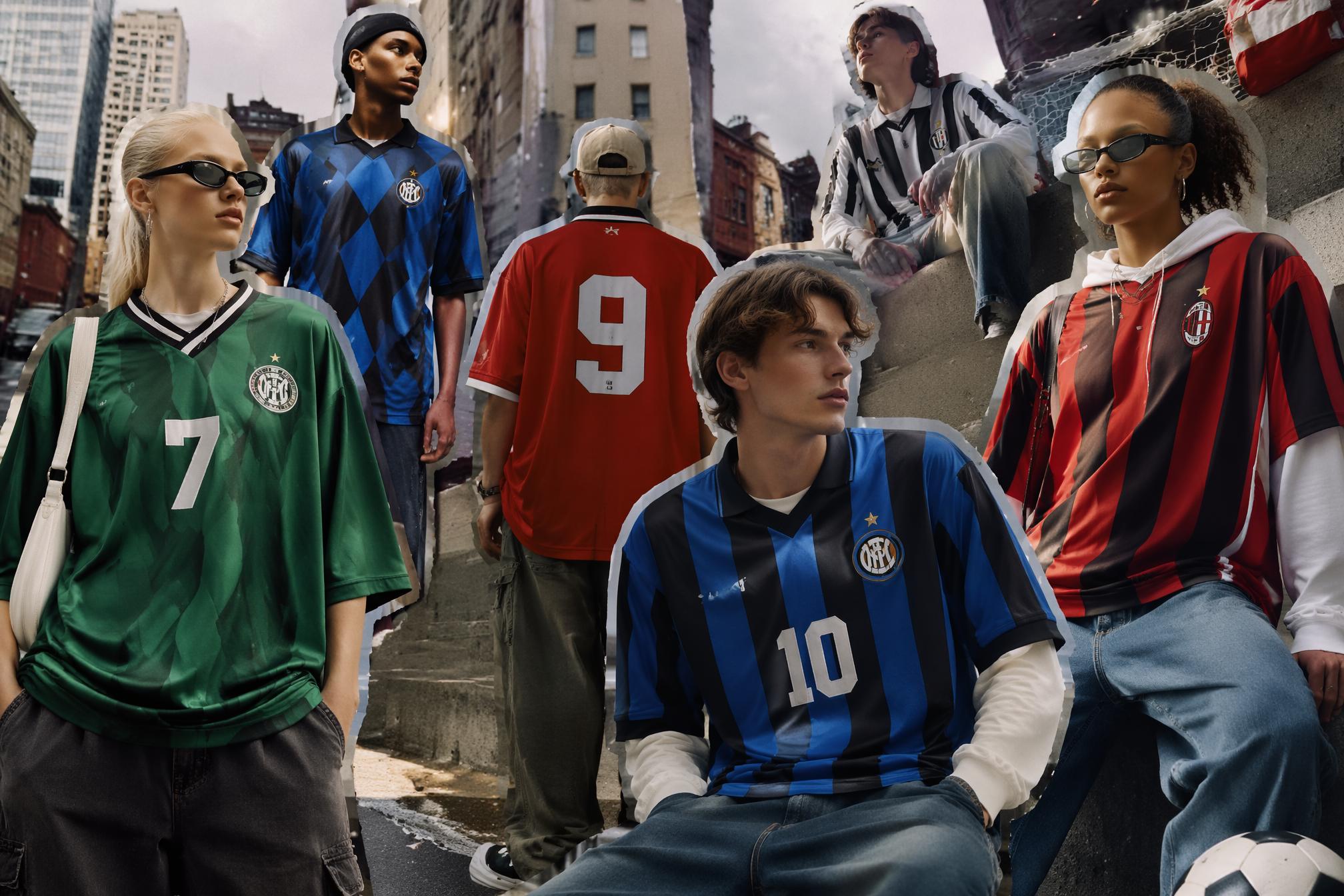
“Blokecore” — the aesthetic of oversized vintage soccer jerseys worn as everyday streetwear — is at its cultural peak in 2026. Inspired by 90s football culture, this trend combines vintage jerseys with casual streetwear, making football shirts a mainstream fashion statement far beyond match day. TikTok and Instagram have fueled this movement, with outfit videos featuring football jerseys regularly attracting millions of views.
11 — Pet Fan Jerseys
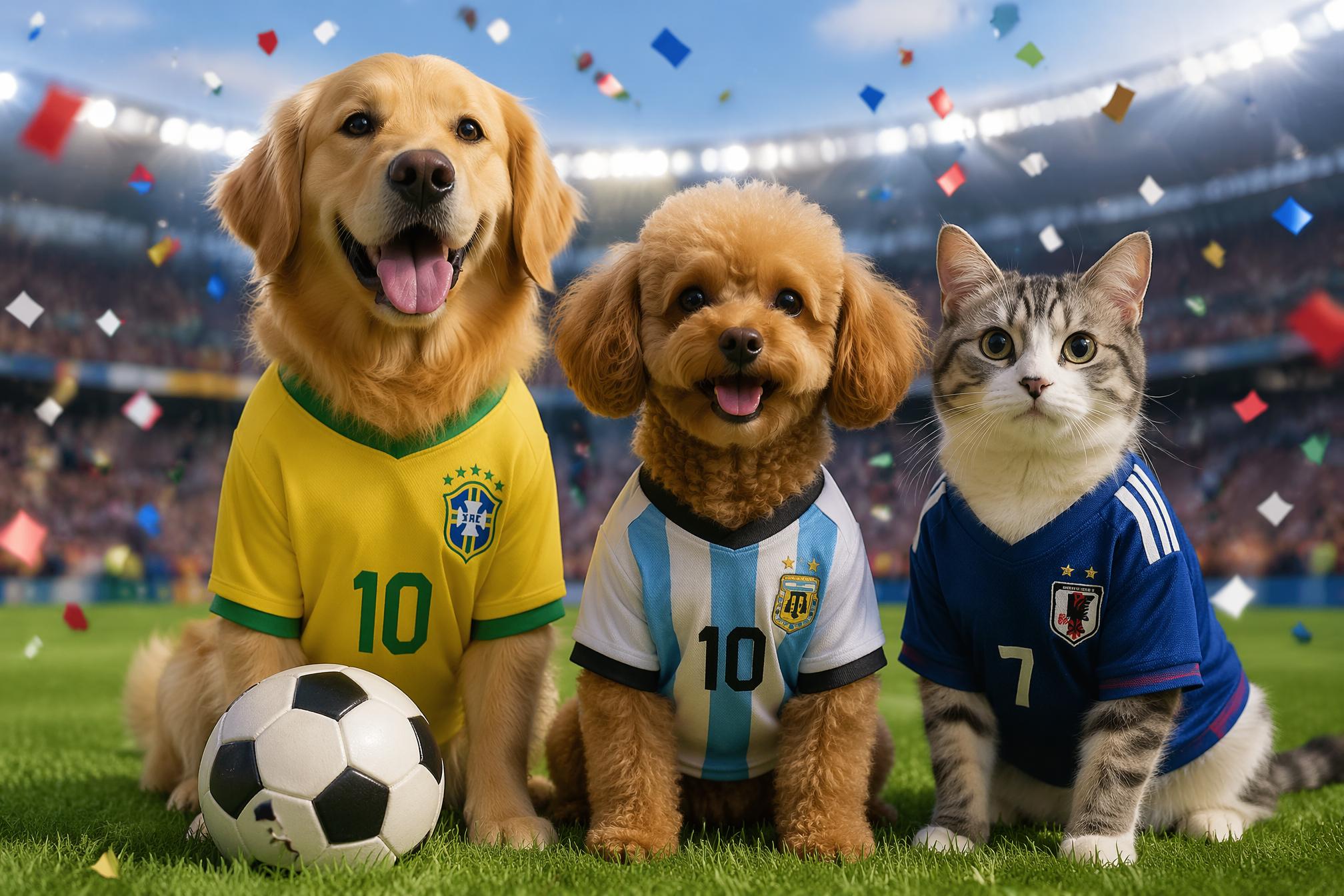
This is a surprisingly large and underserved niche. Pet families in the US, Canada, and Mexico are dressing their dogs and cats in national team jerseys — it’s become a massive TikTok trend. Search volume for “dog world cup jersey” is far lower than “men world cup jersey,” meaning less competition and higher visibility for early entrants.
12 — Country Pride Collections
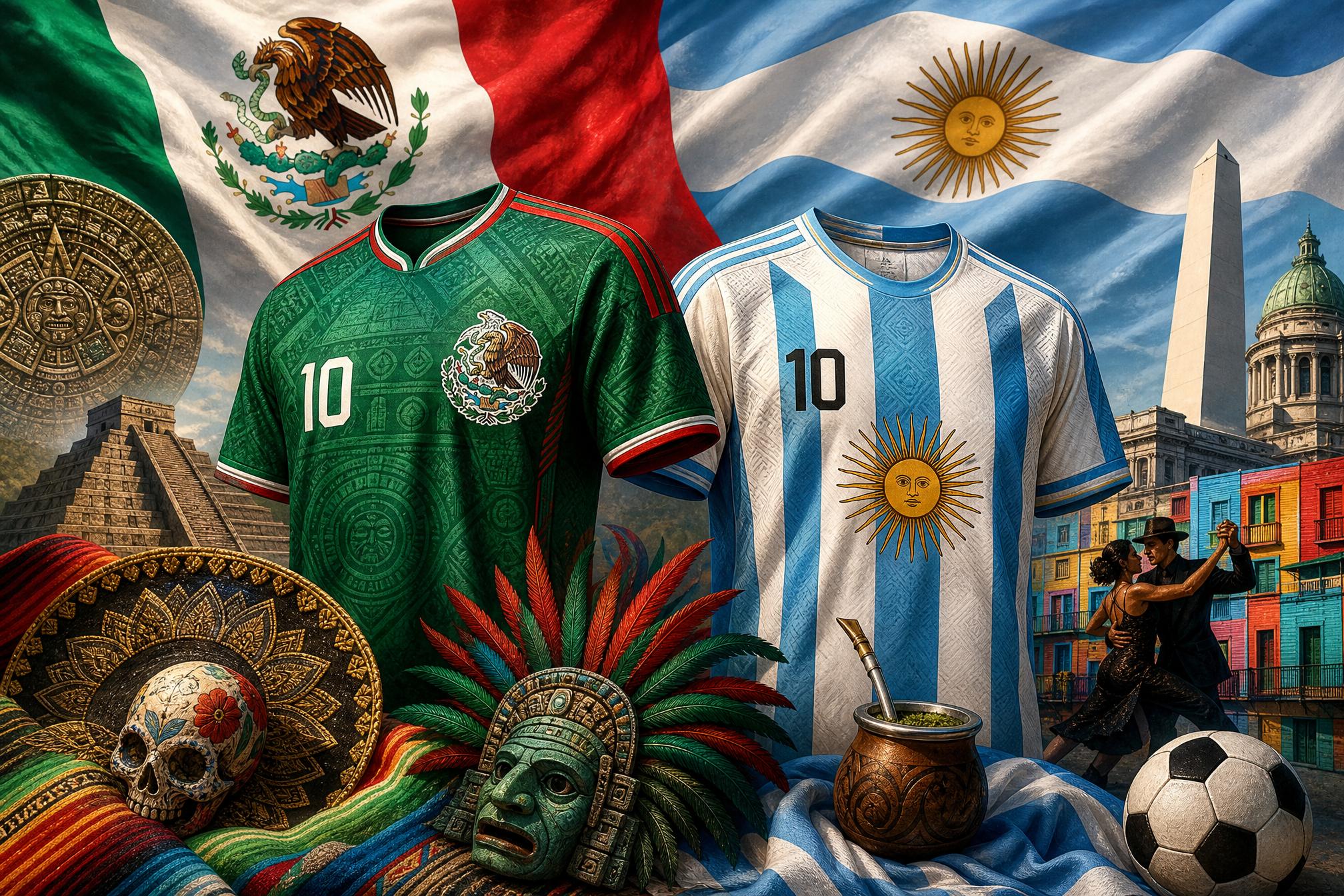
Designs that celebrate specific nations consistently perform well. Mexico and Argentina jerseys have seen 243% and 125% search increases respectively. Focus on flag colors, national symbols, and cultural motifs that resonate with diaspora communities worldwide.
13 — Watch Party & Viewing Party Gear
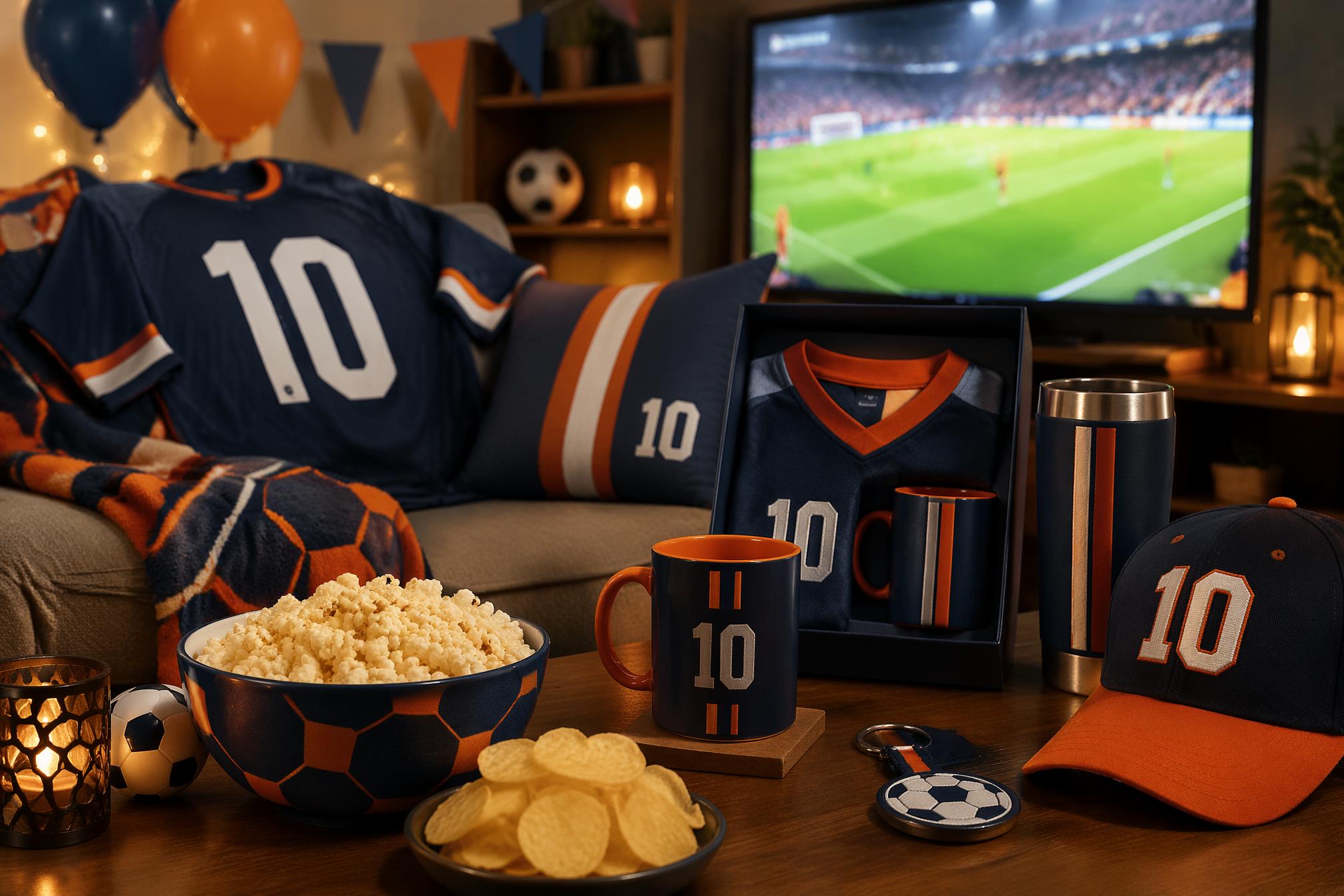
Beyond jerseys, the viewing party experience creates demand for mugs, cushions, blankets, and decorative items that help fans build a shared viewing environment. Design matching sets — jersey + mug bundles, or shirt + tumbler combos — to increase average order value.
How Genki Turns These 13 Design Ideas Into Actual Sales — Without You Lifting a Finger
Coming up with great jersey designs is one thing. Turning them into actual products, listing them on global marketplaces, managing inventory, and shipping orders to customers around the world is another — and that’s where most creators get stuck.
This is exactly why Genki exists.
Launched globally on May 1, 2026, Genki is an all-in-one autonomous engine for IP management that bridges the gap between creative input and global fulfillment. Its core promise? "From Ideas To Income – Instantly."
Here’s how it works in four automated steps:
- Upload an image or enter a text prompt
- Genki automatically generates IP assets and POD product mock-ups — turning your design into ready-to-manufacture products
- The platform creates SEO-optimized product pages and localized listings for major e-commerce platforms like Etsy, Shopify, and Amazon
- It produces multi-channel marketing materials (including AI-generated social media content) and syncs with a global fulfillment network to handle logistics and cross-border delivery
What makes Genki different from traditional platforms? Unlike Shopify or Shopline — which require you to manually assemble separate design, supply chain, and marketing tools — Genki natively integrates the entire value chain into a single autonomous system. And unlike standalone AI creative tools that generate content but don't handle commercialization, Genki takes your design all the way to a shipped product.
For World Cup 2026 sellers, this changes everything.
Imagine taking any of the 13 design ideas from this article — a personalized name-and-number jersey, a retro football graphic tee, or a country pride collection — and going from sketch to global sales in less time than it takes to watch a match. No supply chain headaches. No cross-border shipping nightmares. No spending weeks figuring out Etsy's listing algorithms.
Genki's Global Creator Recruitment Program is currently open to independent digital artists and creators. Selected partners receive priority marketplace exposure, dedicated onboarding support, and favorable revenue-sharing terms — while keeping 100% ownership of their IP.
If you're a POD seller looking to capitalize on the 2026 World Cup wave, Genki removes every barrier between your design and your first sale. No design experience required. No e-commerce expertise needed. Just upload your idea and let AI handle the rest.
Ready to turn your World Cup jersey designs into real sales? Visit genkios.com to learn more or apply for the Global Creator Recruitment Program.
The 2026 World Cup is a once-every-four-year commercial window that POD sellers simply cannot afford to miss. Demand for themed apparel, gifts, and supporter merchandise will spike simultaneously across multiple continents.
Don’t wait until the tournament starts — by then it’s too late. Start designing now, list your products early, and let the World Cup traffic come to you.
FAQ
Q: Do I need an official license to sell World Cup-themed jerseys?
A: Yes and no. You cannot use the official “FIFA World Cup” name, logo, or the tournament’s official emblem. You also cannot use team crests or player names without permission. However, you can use national flag colors, generic football imagery (balls, goals, silhouettes), and player numbers without names. If in doubt, avoid anything that looks like an official trademark.
Q: What’s the difference between a jersey and a regular T-shirt in POD?
A: Jerseys are typically made from polyester or moisture-wicking fabric and are best printed using sublimation, which allows for all-over printing — meaning the design can wrap around the entire garment. Regular T-shirts are usually cotton-based and use DTG (direct-to-garment) printing, which limits design placement. Jerseys also command higher price points than standard tees.
Q: I’m a new POD seller. Which design direction should I start with?
A: Start with either:
- Minimalist text series (low design cost, fast to produce, easy to iterate)
- Player silhouettes (safe, universally understood, works across all age groups)
Avoid starting with complex illustrations or large-scale patterns — these require more design skill and higher production costs.
Q: How much should I price a custom soccer jersey?
A: Price depends on your product cost, platform fees, and target market. Typical ranges:
- Basic jersey with name & number: $35–$55
- All-over print design: $45–$70
- Premium/vintage style: $50–$80
Include personalization as an upsell — charging an extra $5–$10 for custom names/numbers can significantly boost your average order value.
Q: Can I sell the same jersey design across multiple countries?
A: You can — but you’ll need to adjust the color palette and copy. A design with Argentine blue and white stripes won’t perform well in Brazil. Instead, create country-specific collections: separate listings for each nation’s fan base, with localized keywords, descriptions, and imagery.
Q: What about returns and sizing issues?
A: Jerseys have different sizing standards across regions. Always include a size chart in your listing (chest width, length, sleeve length). Consider offering “team bulk” discounts — these reduce per-unit costs for group orders and increase customer lifetime value.
Q: How long does sublimation printing take from order to dispatch?
A: Most POD suppliers take 3–7 business days to sublimate and ship a custom jersey. Factor this into your dispatch estimates — especially during the pre-World Cup rush when order volumes spike.
Q: What if a team I designed for gets eliminated early?
A: This is a known risk. Avoid over-investing in single-team designs. Instead, build collections around themes that work regardless of which team progresses: “Match Day,” “World Cup Mode,” “Game On.” If you do design for specific nations, start with the teams likely to advance — Brazil, Argentina, England, France, Germany, Spain, Netherlands — and wait to see the knockout bracket before heavily promoting any single team.