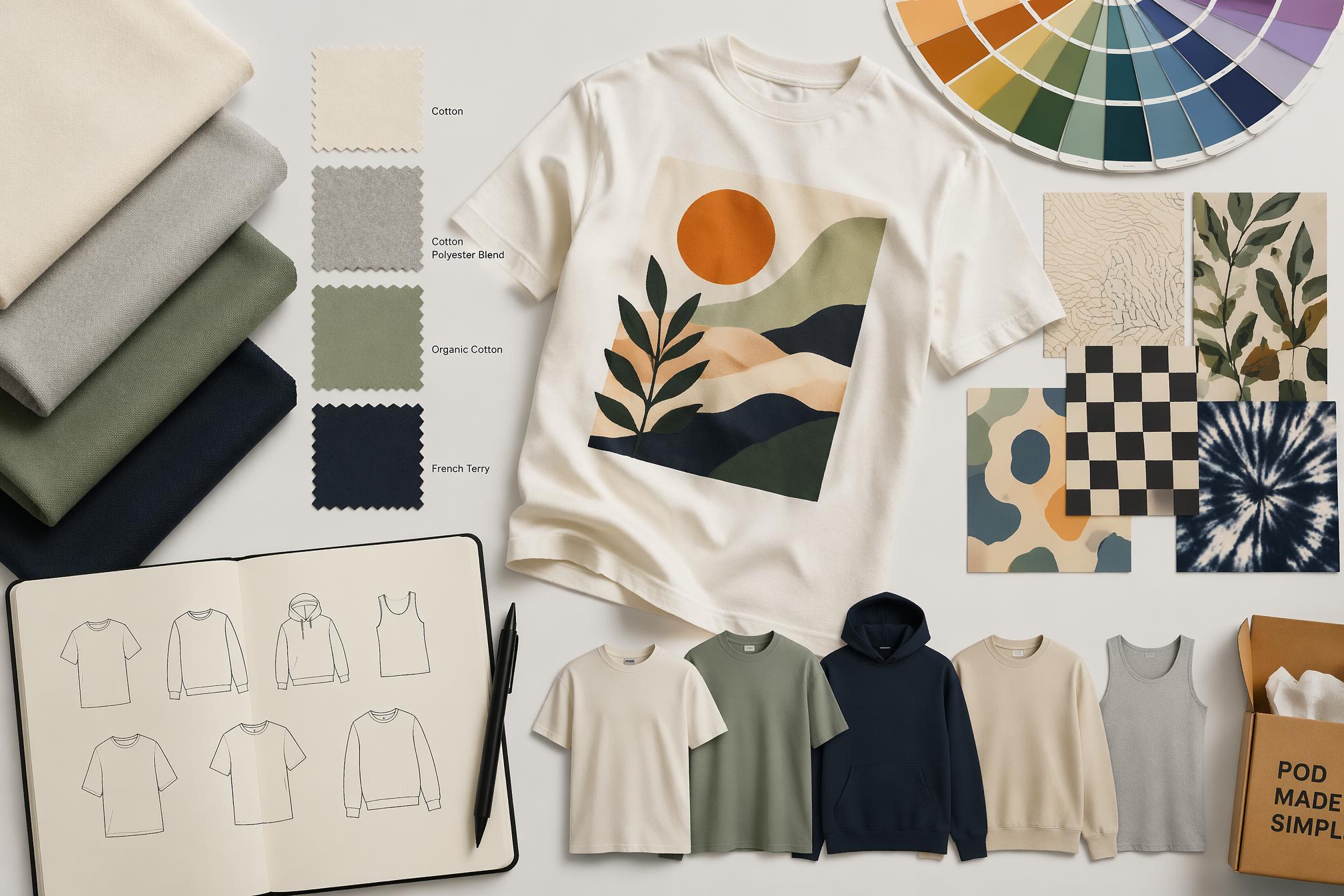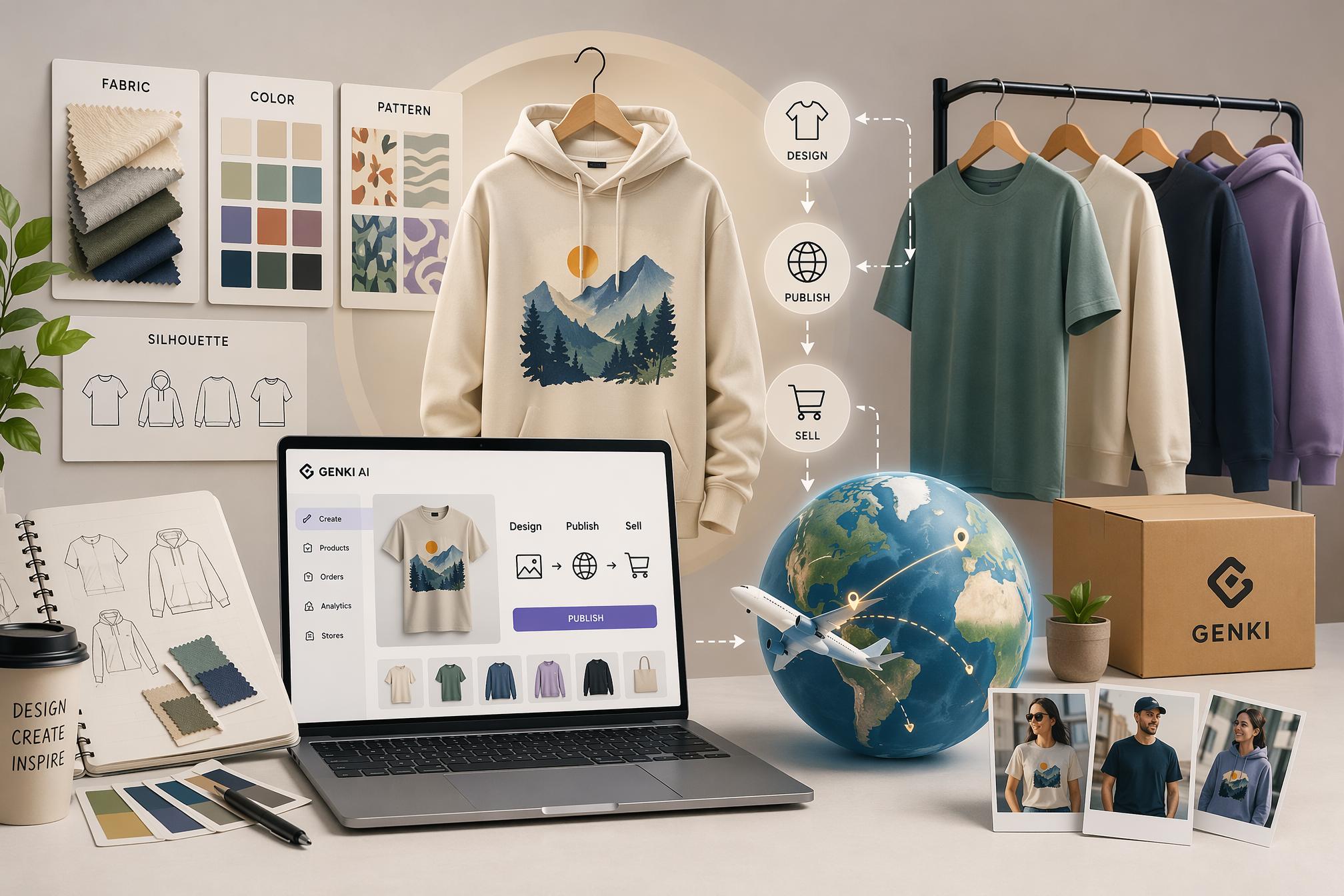
In the world of print-on-demand (POD) apparel, every inch of fabric, every shade of color, every line of pattern, and every cut of silhouette is a tool in the designer's hands. Together, they shape products that are not just worn — they're experienced. They carry the wearer's personality, reflect their taste, and tell a story.
But here's the challenge that stops most creators in their tracks: knowing which fabric works best, which color resonates, which pattern tells the right story, and which silhouette fits the target audience — and then actually turning that knowledge into a sellable product.
This guide breaks down the essentials of POD apparel design: fabric, color, pattern, and silhouette. And more importantly, it shows you how Genki transforms these creative decisions into global sales — without you ever touching a supply chain, writing a product description, or packing a single box.
1. Fabric: Where Texture Meets Function
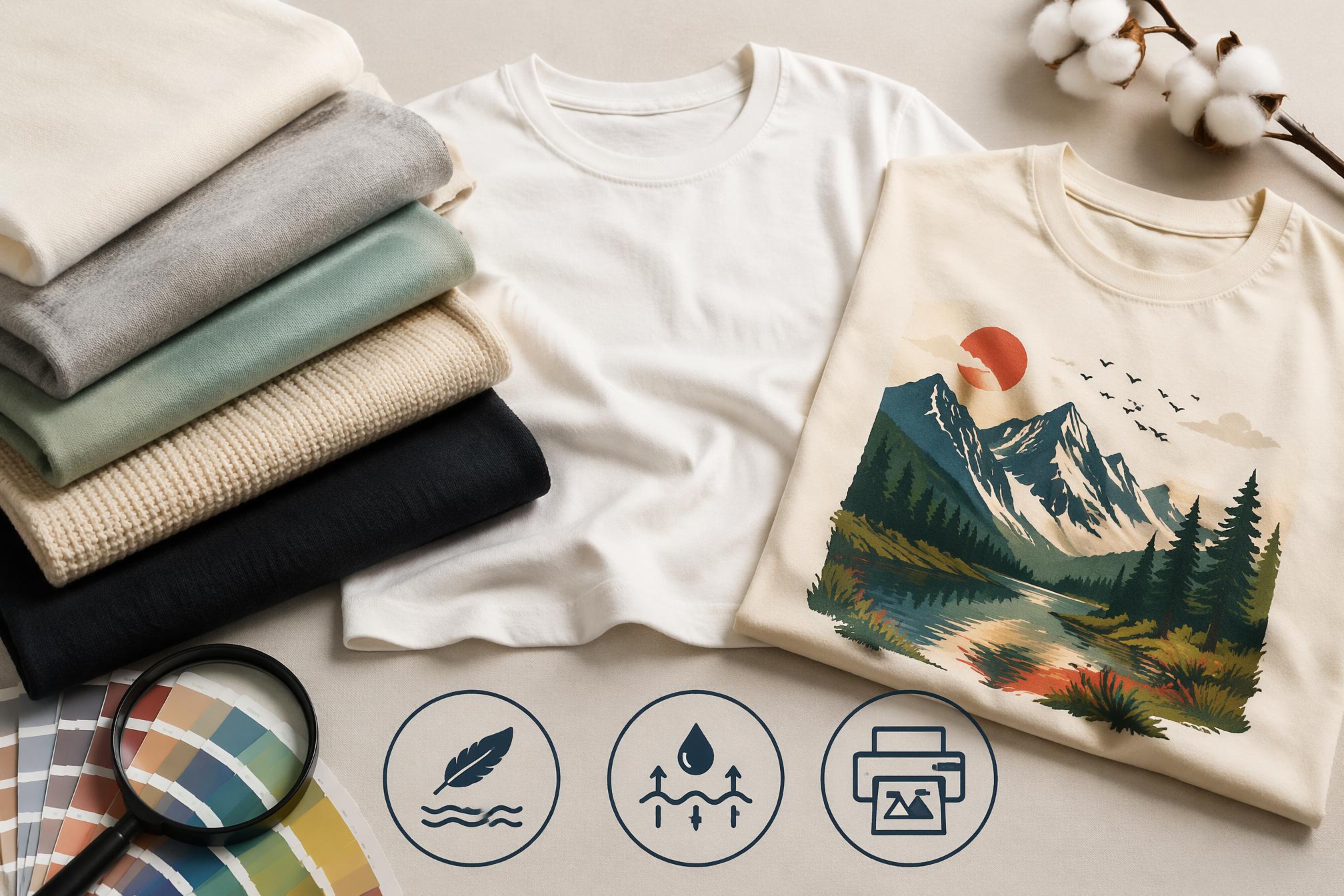
Fabric is the foundation of any garment. In POD design, your fabric choice directly impacts three things: comfort, print quality, and functionality.
What to Look For
Comfort comes first. Natural fibers like cotton, silk, and linen — or quality blends — ensure breathability and skin-friendliness. Your customers won't wear something that feels cheap, no matter how beautiful the print.
Print quality depends on the fabric. Delicate line art and soft watercolor effects shine on cotton, which absorbs ink gently and preserves subtle gradients. Bold, saturated graphics pop best on polyester, which holds vibrant colors with crisp edges.
Functionality opens niche markets. If you're targeting athletes, outdoor enthusiasts, or professionals, consider performance fabrics: moisture-wicking, UV-protective, wrinkle-resistant. These aren't just features — they're entry points into loyal, underserved customer segments.
The POD reality check: Because POD apparel focuses on print and color innovation rather than structural tailoring, print compatibility and comfort should be your primary filters when choosing a base garment.
Genki doesn't just help you pick the right fabric — it eliminates the guesswork entirely. The platform's POD engine automatically generates manufacturing-ready product mock-ups on the right garment types. You don't need to know which fabric works best for your design. The platform handles the technical specifications, so your design appears on the right canvas, every time.

2. Color: The Language of Emotion
Color is the first thing a customer notices. It triggers emotion, conveys meaning, and sets the tone for everything else.
What to Look For
Follow the trends — but don't be a slave to them. The Pantone Color of the Year and seasonal runway palettes give you a reliable starting point. These colors have already been validated by the fashion industry's top minds.
Build a consistent brand palette. If you're selling under a specific label or theme, your color choices should feel cohesive across every product. This builds recognition and trust.
Understand color psychology. Red excites. Blue calms. Green grounds. Yellow energizes. Use these associations intentionally — a soccer jersey in aggressive red feels very different from one in serene blue.
The POD reality check: When you're building a brand from scratch, following major brands and trend colors is the fastest path to professional-looking designs. These colors carry built-in aesthetic credibility and appeal to trend-sensitive consumers.
Genki generates SEO-optimized product pages and localized metadata that adapt to regional color preferences. A design that sells in Tokyo might need different color positioning for Berlin or New York. Genki's AI handles that localization automatically — so your color choices resonate in every market.
3. Pattern: The Visual Signature
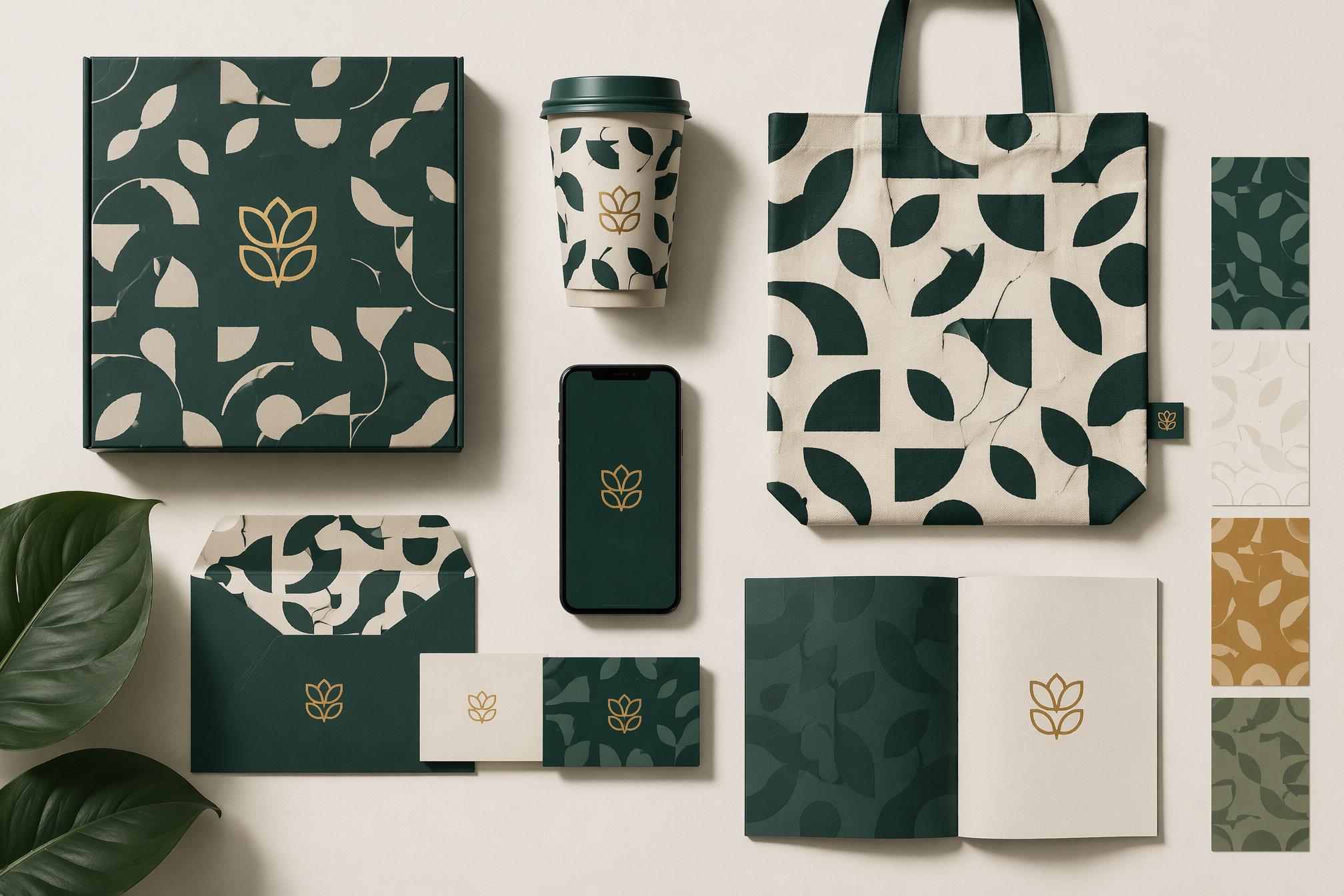
Patterns are what make your designs memorable. They're the visual DNA of your brand.
What to Look For
Originality protects you. Copyright infringement is a real risk in POD. Always use original artwork or properly licensed assets. If you're inspired by existing designs, capture the core aesthetic and reinterpret it — don't copy.
Theme alignment matters. A pattern that tells a cohesive story — whether it's retro football, botanical elegance, or streetwear rebellion — creates a stronger emotional connection than random visuals.
Scale and placement are everything. A pattern that looks stunning on a tote bag might overwhelm a T-shirt. Consider how the design interacts with the garment's silhouette and your customer's body.
The POD reality check: Patterns that are "over" in high fashion often become mainstream bestsellers just as they fall out of favor with trendsetters. Don't dismiss a motif just because it feels familiar — familiarity often translates to commercial success.
Genki instantly generates multiple product mock-ups across different categories — T-shirts, hoodies, tote bags, phone cases, mugs — so you can visualize how your pattern performs on every surface. No more guessing whether your design works on a hoodie. You see it immediately.
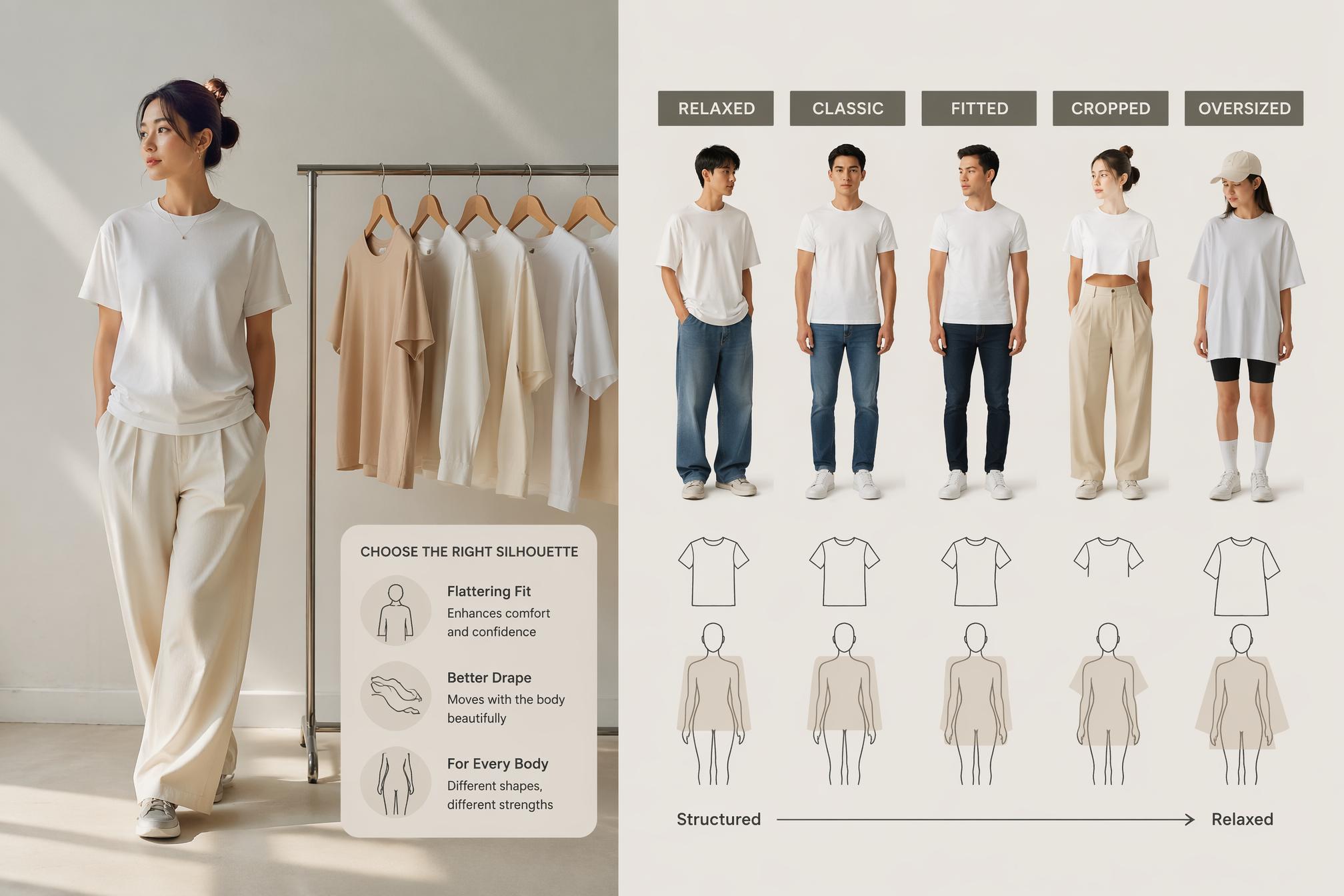
4. Silhouette: Fit That Flatters
Silhouette determines how a garment drapes, moves, and flatters the wearer. In POD, you're typically working with pre-existing blanks — but choosing the right one is still critical.
What to Look For
Know your audience. A relaxed, oversized fit appeals to streetwear fans and younger demographics. A tailored, slim fit speaks to professionals and minimalist dressers. Your silhouette should match your customer's lifestyle.
Balance trends with classics. An on-trend silhouette can drive short-term hype. A classic silhouette ensures long-term relevance. The best POD sellers combine both — trendy elements on a timeless foundation.
Let your pattern and fabric guide you. A bold, all-over print works best on a relaxed silhouette where the design can breathe. A delicate, minimal graphic might shine on a more fitted garment.
The POD reality check: Silhouette selection is about understanding your customer's body and preferences — not just sizing up or down. Take time to research your target demographic's age, lifestyle, and fit preferences.
Genki connects you to a global fulfillment network that handles size availability, inventory, and cross-border shipping. You don't need to worry about which sizes are in stock where. The platform manages the logistics so your customers always get the right fit, delivered to their door.
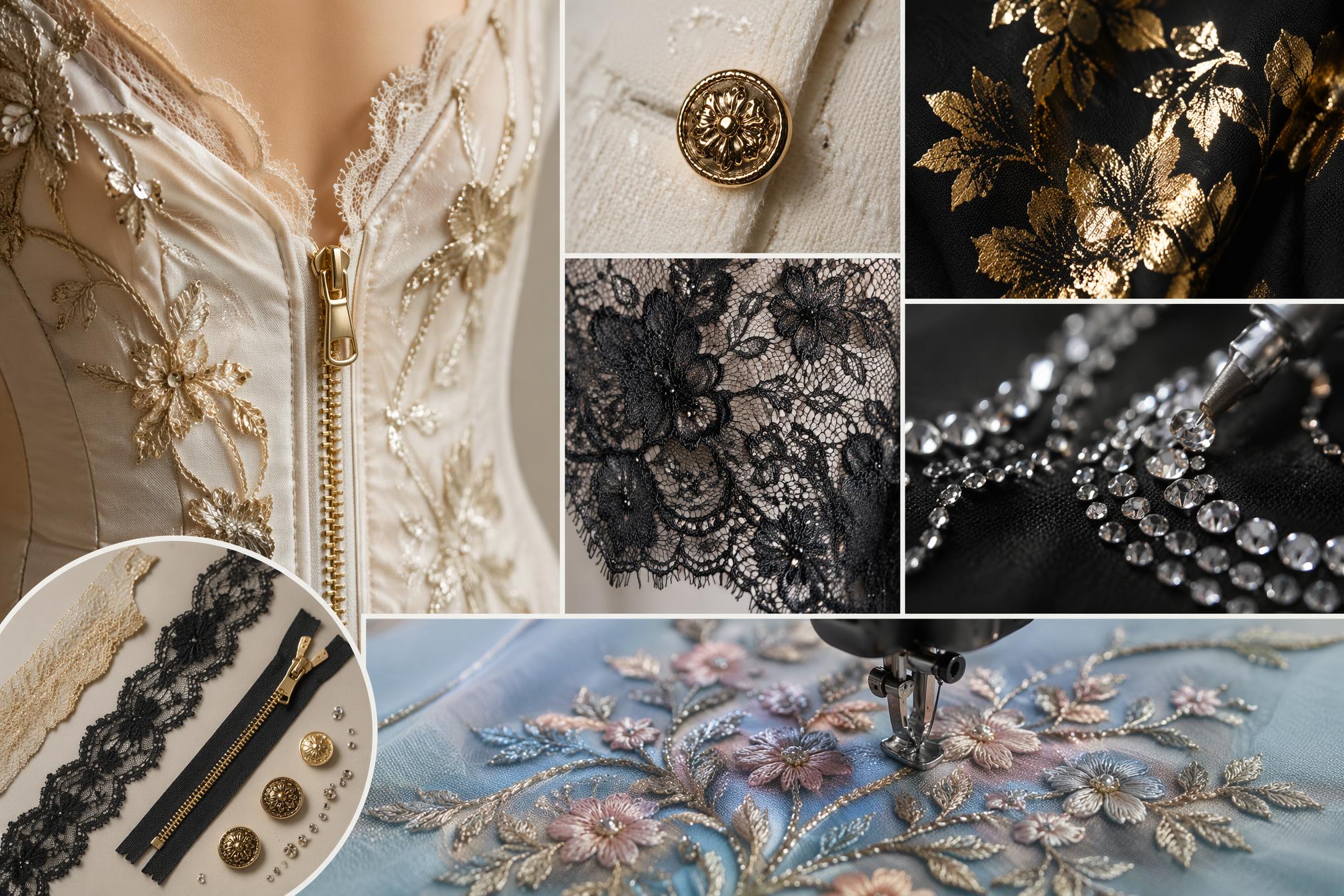
5. Trims & Techniques: The Finishing Touch
Trims and techniques — zippers, buttons, lace, embroidery, foil printing, rhinestone application — elevate a garment from "nice" to "unforgettable."
What to Look For
Match trims to your aesthetic. A minimalist design calls for clean, understated hardware. A maximalist, whimsical pattern might benefit from playful, statement trims.
Consider specialty printing. All-over sublimation printing is gaining popularity in POD because it allows full-coverage designs that feel seamless and premium. A well-executed all-over print can become your signature.
The POD reality check: For most POD sellers, sublimation and standard printing should be your primary focus — they offer the best cost-to-impact ratio. Specialty trims and techniques are worth exploring once you've established a reliable revenue stream.
Genki's autonomous engine produces multi-channel marketing kits, including AI-generated social media creatives and promotional videos that highlight your design's best features. Even if you don't have professional product photography, Genki creates visuals that make your garments look premium.

Why Genki Changes Everything for POD Designers
Traditional POD sellers face a brutal reality: you need to master design, e-commerce, supply chain, and marketing — all at once.
Most creators excel at IP incubation but lack expertise in product design, supply chain management, and cross-border operations. Existing market solutions offer fragmented support — isolated creative tools or disjointed logistics services. This creates "value leakage" where platforms and intermediaries capture most of the economic upside.
Genki closes that gap completely.
Genki is an all-in-one autonomous engine for IP management. Its core promise: "From Ideas To Income – Instantly".
Here's what happens when you upload your design:
- Genki develops original IP assets and manufacturing-ready POD product mock-ups
- It generates SEO-optimized product pages and localized metadata for major e-commerce platforms
- It produces multi-channel marketing kits, including AI-generated social media content and promotional videos
- It syncs with a global fulfillment network to handle logistics and cross-border distribution
The results from private beta testing speak for themselves:
- Creators launched global storefronts in under 15 minutes — compared to the traditional 3–6 months
- Top-performing collections achieved conversion rates above 3.2% — significantly higher than standard e-commerce benchmarks
- First-week sales exceeded $3,250 per collection
- Participants reported a 90% reduction in time spent on backend logistics
Unlike traditional e-commerce platforms like Shopify that require you to manually assemble design, supply chain, and marketing tools, Genki natively integrates the entire value chain into a single autonomous system. And unlike standalone AI creative tools that generate content but don't handle commercialization, Genki goes beyond content generation by directly enabling global distribution.

The Global Creator Recruitment Program
To mark its global launch, Genki opened the Global Creator Recruitment Program, specifically targeting independent digital artists and creators active on Instagram, TikTok, and Etsy.
Selected partners receive:
- Priority marketplace exposure
- Exclusive onboarding support
- Favorable revenue-sharing terms
- 100% IP ownership — you keep full rights to your work
The program emphasizes long-term equity growth rather than short-term sales. Genki aims to shift the creator economy from traffic competition to long-term IP value building.
Conclusion
POD apparel design is about mastering the interplay of fabric, color, pattern, and silhouette. But mastery doesn't stop at the creative decisions — it extends to how you bring those decisions to market.
Genki doesn't replace your creative vision. It amplifies it — by handling everything that happens after you say "this design is ready."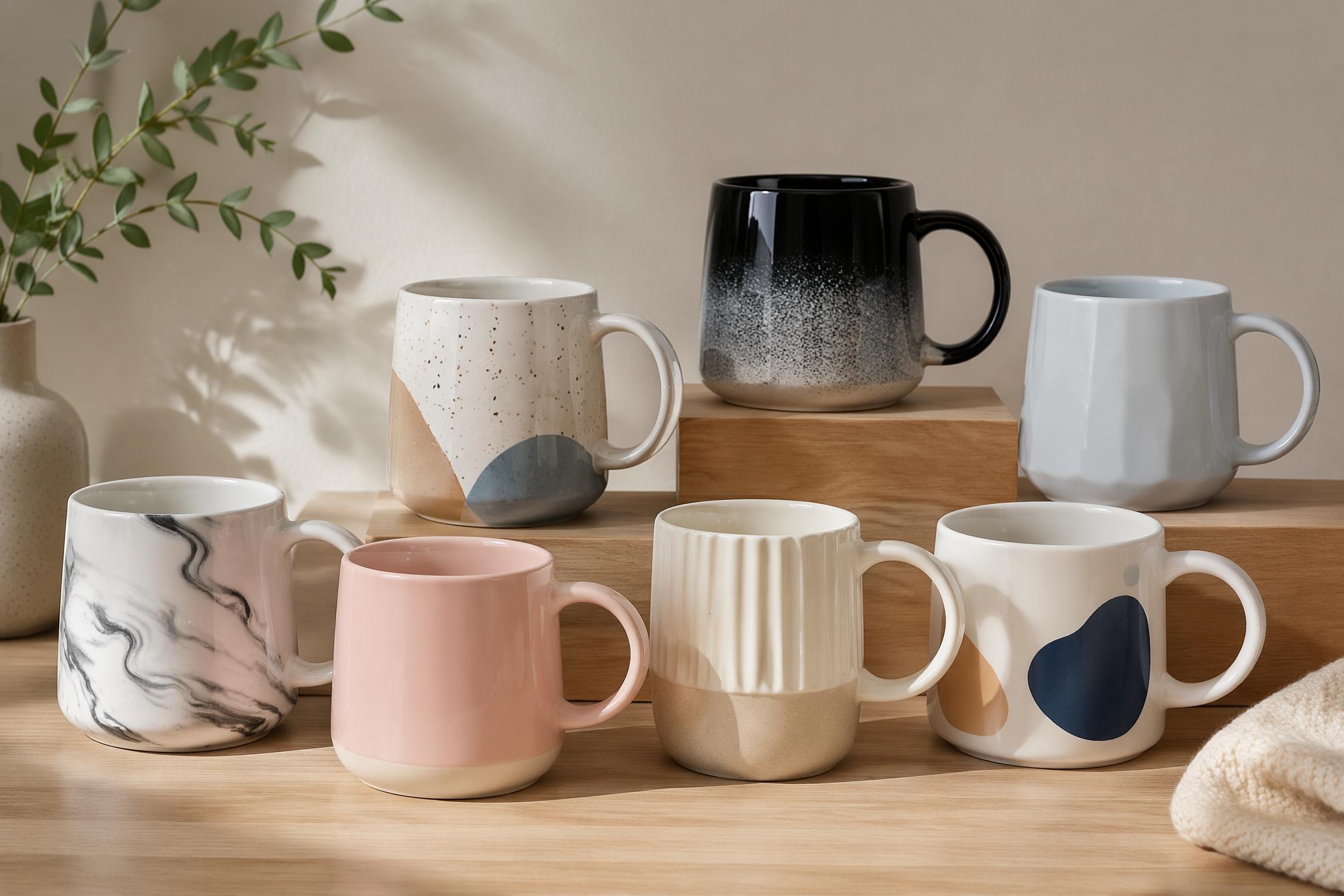
You focus on what you do best: creating. Genki handles the rest: production, localization, marketing, logistics, and global sales.
Ready to turn your POD designs into global revenue?
Visit genkios.com to learn more or apply for the Global Creator Recruitment Program.
FAQ
Q: Do I need design experience to use Genki?
A: No. Genki is built for creators of all skill levels. Simply upload an image or enter a text prompt, and the platform handles the rest. No design or e-commerce experience required.
Q: Will Genki use my designs for AI training?
A: No. Creators retain full IP ownership under the Global Creator Recruitment Program. Your work stays yours.
Q: How much does Genki cost?
A: Genki operates on a revenue-sharing model. The platform only takes a percentage when you make a sale. Selected partners in the Global Creator Recruitment Program receive preferential revenue-sharing terms.
Q: What platforms does Genki sell on?
A: Genki generates SEO-optimized product pages and localized metadata for major e-commerce platforms including Etsy, Shopify, Amazon, and others. Your products go live across multiple channels simultaneously.
Q: How fast can I get my products online?
A: During private beta testing, creators launched fully functional global storefronts in under 15 minutes — compared to the traditional 3–6 months.
Q: What kind of designs work best with Genki?
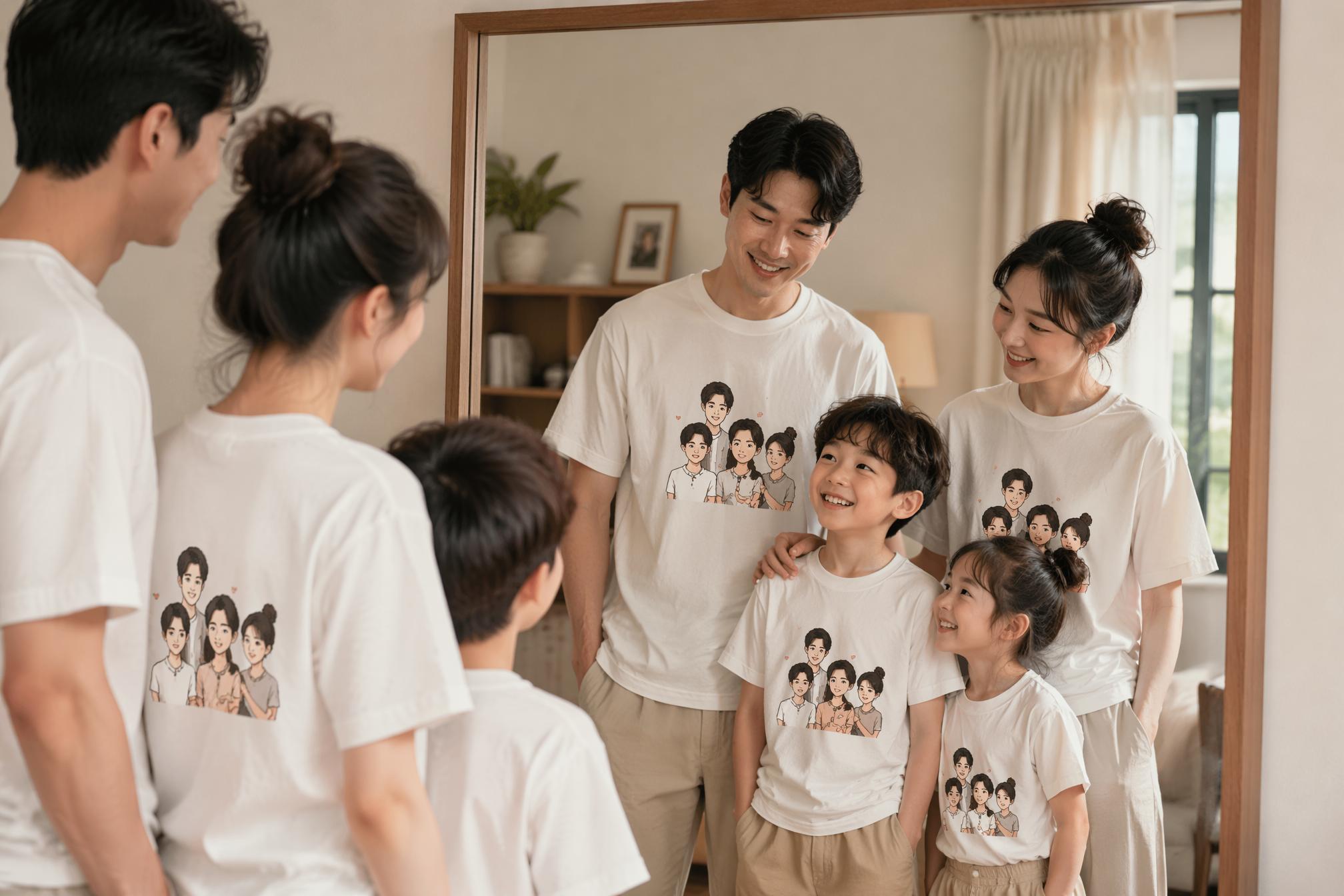
A: Genki works with any flat, two-dimensional design — illustrations, patterns, typography, photographs, and more. The platform generates POD product mock-ups across T-shirts, hoodies, tote bags, phone cases, mugs, and dozens of other product categories.
Q: Do I need to handle shipping and logistics?
A: No. Genki syncs with a global fulfillment network to handle logistics and cross-border distribution. You never touch inventory or packing.
Q: What's the difference between Genki and Shopify?
A: Shopify requires you to manually assemble design, supply chain, and marketing tools. Genki natively integrates the entire value chain into a single autonomous system. You upload your design; Genki handles everything else.