Being a creator can look simple from the outside: create content, grow an audience, and earn money. In reality, creator income is often unpredictable. One month may bring several brand deals, while the next may bring very little. Platform algorithms change, audience behavior shifts, and opportunities come and go.
That is why building multiple income streams for creators can be more valuable than simply chasing more followers. The goal isn't to turn every piece of content into another sales opportunity. Instead, creators can build a business where different revenue streams support each other, creating more stability, flexibility, and control.
Why Creators Shouldn't Rely on One Income Stream
Brand partnerships remain an important part of creator monetization, but they shouldn't necessarily become a creator's only source of income. Depending entirely on sponsorships means your earnings are tied to a brand's budget, campaign schedule, and willingness to work with you.
Platform revenue has a similar problem. Changes to algorithms, monetization policies, or audience behavior can affect your income even when your content hasn't changed.
A stronger approach is to think of your audience as the foundation of a business rather than simply a source of advertising value. Your content creates attention, your expertise and personality create trust, and that trust can support different creator income streams over time.
The basic idea is simple:
Content → Audience → Trust → Multiple Revenue Streams → Creator Business
7 Income Streams Creators Can Build
Not every creator needs all seven income streams. Trying to build everything simultaneously can make your business harder to manage. The better approach is to choose revenue sources that naturally fit your content, skills, and audience.
1. Brand Deals and Sponsorships
Brand partnerships are one of the most common ways creators make money. Depending on your niche and audience, you might create sponsored videos, product integrations, tutorials, reviews, or branded campaigns.
The biggest advantage is that a successful campaign can generate significant revenue from a relatively small amount of work. The downside is that sponsorships are usually project-based rather than recurring.
That makes brand deals useful as one part of your creator monetization strategy, but relying on them exclusively can leave your income vulnerable to changes in marketing budgets and campaign demand.
2. Affiliate Marketing
Affiliate marketing allows creators to earn a commission when their audience purchases a product through a referral link.
This model works particularly well for creators whose content naturally involves products, including fashion, beauty, technology, fitness, food, and travel. Instead of waiting for a brand to approach you, you can monetize products you already use and genuinely recommend.
Affiliate marketing can also extend the earning potential of existing content. A product recommendation published today may continue generating revenue weeks or months later.
For creators just starting to explore multiple income streams, affiliate marketing can therefore be relatively easy to add without creating an entirely new product.
3. Services and UGC
You don't need millions of followers to monetize your creative skills.
Creators can offer photography, video production, editing, design, consulting, coaching, or user-generated content (UGC). In this model, clients are paying for your creative ability rather than simply your audience size.
This can be especially useful for growing creators. While building an audience takes time, your skills can generate income much earlier.
The limitation is scalability. Services usually require your time for every project, so they work best as one part of a broader creator business model rather than the only revenue source.
4. Digital Products
Digital products allow creators to turn their knowledge and creative assets into something that can potentially be sold repeatedly.
Depending on your niche, this could include templates, presets, ebooks, guides, courses, design assets, educational resources, or other downloadable products.
The advantage is scalability. Instead of exchanging hours directly for money, you create an asset once and potentially sell it many times.
For example, a designer could create a template pack, while a photographer could sell presets. A fitness creator might create a training guide, while an illustrator could sell digital art resources.
This is one reason digital products for creators can be an important step toward building income that isn't directly tied to the number of hours you work.
5. Memberships and Subscriptions
If your audience wants deeper access to your content, knowledge, or community, memberships can create recurring revenue for creators.
This could include exclusive content, subscriber-only resources, private communities, live sessions, or premium educational material.
Recurring revenue is valuable because it can make your income more predictable. Instead of starting from zero every month, you build a base of customers who have already decided to continue supporting your work.
However, subscriptions require consistent value. Your audience needs a clear reason to remain subscribed rather than simply paying once.
6. Products and Creator Merch
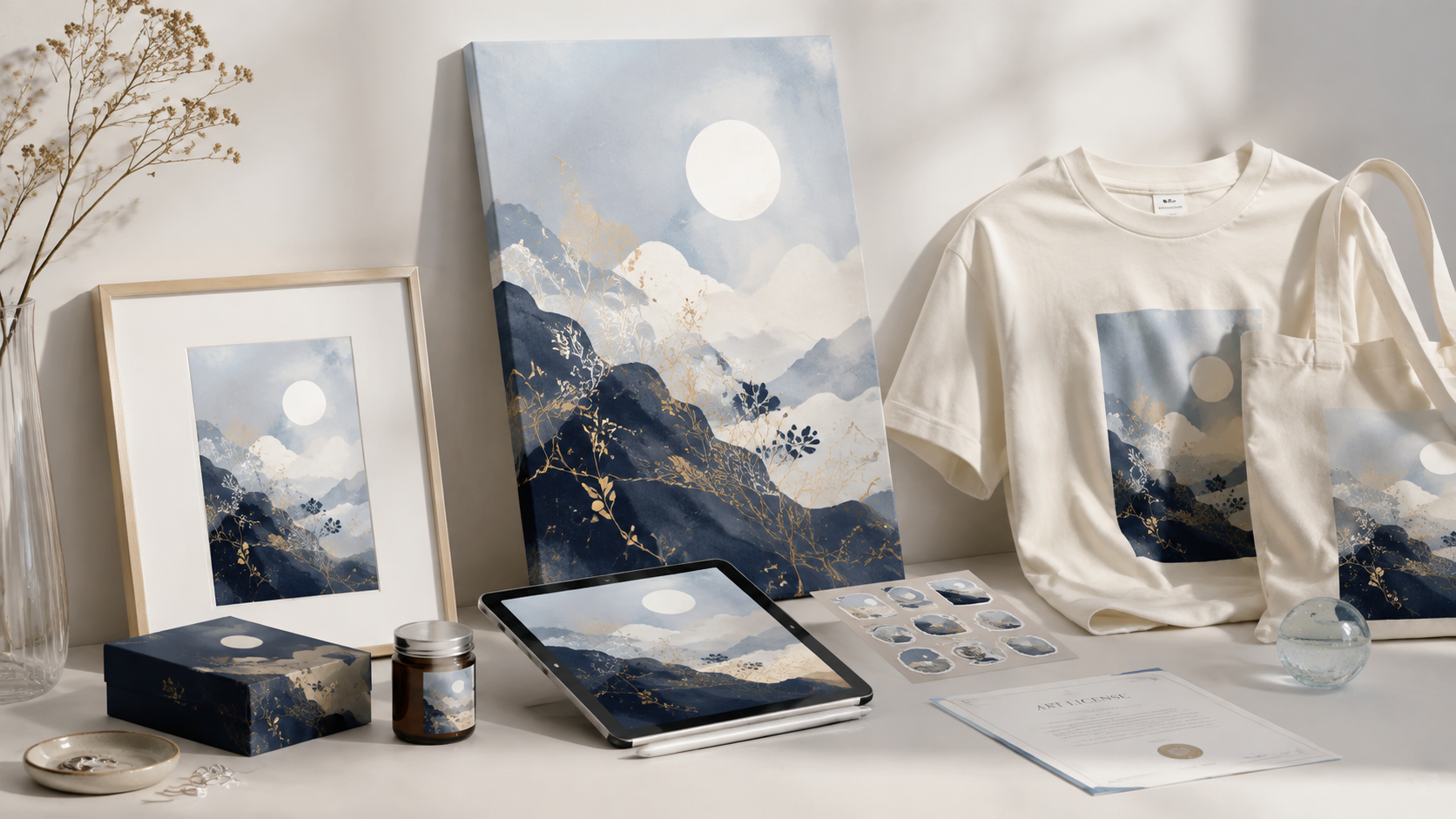
One of the biggest opportunities in the creator economy is turning a creator's identity, artwork, or intellectual property into products.
That could include apparel, posters, art prints, stickers, accessories, collectibles, or products built around an original character or visual identity.
This is where creator monetization starts to move beyond selling your time or promoting someone else's products.
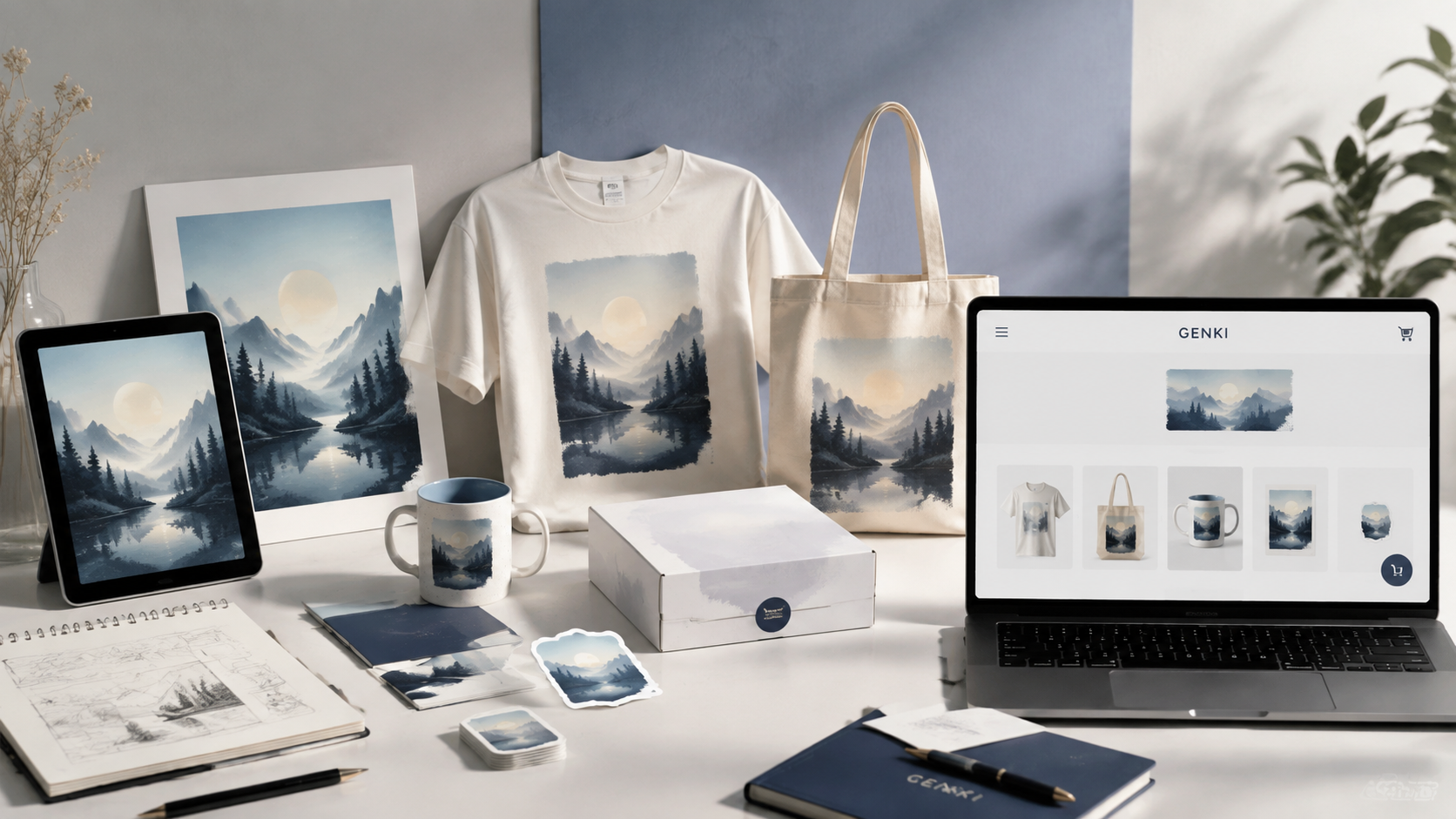
With a platform such as Genki, creators can explore the process of turning creative ideas and existing artwork into product concepts, visuals, and commerce-ready content. Instead of treating product creation as a completely separate business, the process can become an extension of the content you're already creating.
For example, an illustrator could turn an original character into prints and apparel. A lifestyle creator could develop products around their personal brand. A designer could transform existing artwork into a product collection.
The goal isn't simply to “sell merch.” It is to create products that your audience actually wants because they are connected to your identity and content.
7. Licensing and Intellectual Property
Creators who develop original artwork, characters, photography, designs, or other intellectual property can also explore licensing.
Instead of selling the original asset itself, you allow another business to use your intellectual property under agreed terms.
For creators with strong visual identities, this can become a powerful long-term revenue stream. A single character or design could potentially appear across products, collaborations, campaigns, and licensed merchandise.
This is also where tools like Genki can become useful earlier in the creative process. Once a creator has established a recognizable visual identity, creating product concepts and exploring different applications of that IP can become much easier.

How to Build Your Creator Income Stack
The biggest mistake is assuming that diversification means doing everything at once.
It doesn't.
A better approach is to build your creator income stack gradually.
| Creator Stage | Potential Income Streams |
|---|
| Growing | Brand Deals + Affiliate |
| Established | Digital Products + Brand Deals |
| Strong Community | Memberships + Products |
| Creator Brand | Products + Licensing + Recurring Revenue |
For example, a fashion creator might begin with affiliate links while building an audience. As their reach grows, they could add brand partnerships. Once their audience understands their style and trusts their recommendations, they could introduce a digital styling guide or their own products.
At this stage, Genki could help connect the creative and commerce sides of the workflow by helping turn product ideas into visual content that is ready to showcase.
The individual revenue streams are different, but they all come from the same foundation: the creator's content and relationship with their audience.
That is what makes a diversified creator business more powerful than simply collecting random monetization methods.
Turn One Audience Into Multiple Opportunities
Your audience shouldn't have to be rebuilt every time you introduce a new revenue stream.
Imagine a creator who posts content about illustration and character design. Their content attracts people interested in their creative process. That same audience could potentially support several parts of the business:
Content → Audience → Trust → Digital Products → Merch → Licensing
The same creative work can therefore create value at different stages.
An illustration might first become a social media post. That post attracts followers. The same illustration could then become a print, sticker, apparel design, digital asset, or licensed product.
This is why creators should think beyond individual posts and start thinking in terms of creative assets.
The question becomes less “What should I post next?” and more:
“How else can I create value from what I have already created?”
With Genki, creators can explore this content-to-commerce workflow more naturally, using existing creative assets as starting points for product visuals and ideas rather than creating every commercial asset from scratch.
Choose Income Streams That Fit Your Content
Not every monetization method makes sense for every creator.
A tech reviewer may naturally succeed with affiliate marketing and sponsorships. A designer may have more opportunities in digital products and licensing. A fitness creator could combine memberships, coaching, affiliate products, and branded products.
Before adding another revenue stream, ask three questions:
1.Does it fit my audience?
If your audience follows you for practical design advice, a completely unrelated product may feel forced.
2.Does it fit my skills?
Your existing expertise can give you an advantage and reduce the time required to build a new offering.
3.Does it strengthen my brand?
The best creator income streams should make your creator brand stronger rather than making your content feel like a constant sales pitch.
The Goal Isn't More Income Streams. It's More Control.
Building multiple income streams doesn't mean creating seven different businesses and working seven times as hard.
The goal is to create a connected system in which your content attracts an audience, your audience builds trust, and that trust creates opportunities for products, partnerships, services, and recurring revenue.
Over time, creators can move from relying primarily on platforms and brand deals toward owning more of the business themselves.
That shift—from creator to creator business—is where long-term value starts to emerge.
Your audience is the starting point. Your creativity is the engine. Your products, services, partnerships, and intellectual property are the different ways that engine can generate value.
Genki fits naturally into this shift by helping creators connect their creative assets with product creation and commerce. Instead of seeing content creation and selling products as two completely separate activities, creators can begin treating them as parts of the same business.
You don't need seven income streams today. Start with one that fits your audience, build it well, and add another when the foundation is ready.
The objective isn't simply to make more money as a creator. It's to build a creator business with more ways to earn, grow, and stay in control.
Ready to Build More Than an Audience? Turn your creativity into products, build new revenue opportunities, and take more control of your creator business with Genki. Create with Genki now!